











One or more of the outcomes of a probability experiment
In math, an event is something that can happen when we do a probability experiment, like rolling a die or flipping a coin. It refers to one outcome—or a group of outcomes—that we’re interested in.
For example:
- Rolling a 4 on a six-sided die is one event.
- Rolling an even number (2, 4, or 6) is also an event that includes several outcomes.
We use events to describe the chances of things happening. When we calculate probability, we’re often trying to find out how likely a certain event is.
We see probability events in real life when we:
- Describe possible outcomes, such as whether it rains or not
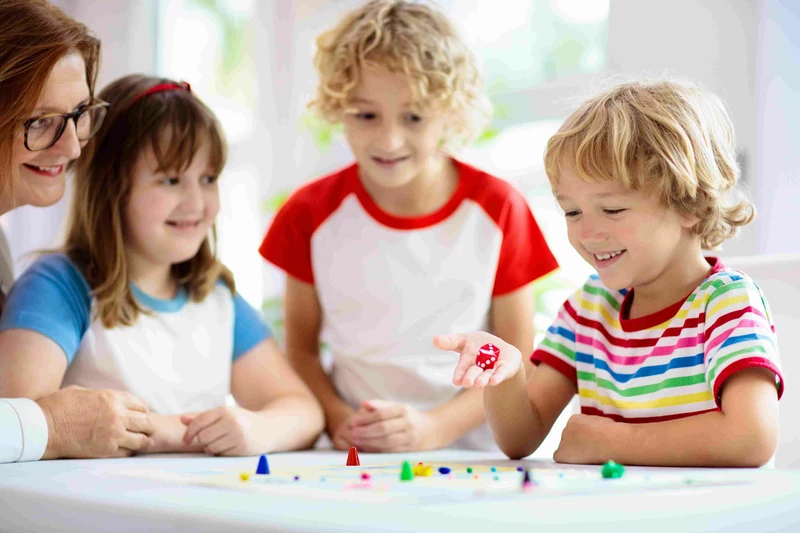
- Play games involving dice or spinners
- Analyze sports stats or test results
When Do Students Learn About Events in Probability?
Students learn about probability events as they begin to explore how likely different outcomes are in experiments and real-life situations.
Grades 4–5 – Introduction to Events
Students learn to describe simple events and use basic fractions or words like “likely,” “unlikely,” and “certain” to describe their probabilities.
Grades 6+ – Using Events in Probability
Students explore compound events, independent and dependent events, and use more advanced strategies for calculating probabilities.