Second grade is when students begin working with some of the building blocks that carry them through the rest of elementary math: adding and subtracting larger numbers, making sense of place value, solving word problems, and beginning to think in equal groups as an early foundation for multiplication.
Naturally, some of that work comes with friction. When it does, parents are almost always the first line of support. You are present at the homework table, and while you are invested in helping, it’s perfectly normal to be unsure of what the most effective help actually looks like.
We are here to help you. As seasoned math tutors dedicated to helping students, we have put together a set of practical, Mathnasium-backed strategies to help you support your second grader's math skills and confidence at homework time and beyond.
What Does 2nd Grade Math Actually Look Like?
Second grade covers a lot of ground. Before diving into how to help, take a moment to find out what your child is actually working on in class because understanding the expectations makes it easier to support them in the right direction.
The majority of schools follow the Common Core State Standards, which set the foundation for what children learn in math at each grade level. Here's what the Common Core standards set out for second grade:
-
Addition and subtraction within 100: Students work toward solving problems fluently, using strategies based on place value and the relationship between operations rather than just counting.
-
Place value: Children learn to understand three-digit numbers as hundreds, tens, and ones and use that understanding to compare, add, and subtract.
-
Working with equal groups: Students begin exploring the idea of repeated addition, laying early groundwork for multiplication and division in later grades.
-
Measurement and data: Children measure lengths using appropriate tools, work with number lines, and begin reading simple graphs and charts.
-
Word problems and reasoning: Students solve one- and two-step word problems involving addition and subtraction, and are expected to explain how they arrived at their answers.
📕 You May Also Like: What Parents Need to Know About Common Core Math Standards
6 Ways to Support Your 2nd Grader's Math Skills at Home
Every child's math journey looks a little different, but the strategies that build real understanding tend to follow a familiar pattern. Whether your second grader is working to catch up, keep up, or get ahead, these practical tips will help you support their progress in ways that stick.
1. Use Money to Make Place Value Concrete
Place value is one of the biggest conceptual leaps in 2nd grade because it requires children to shift from counting individual objects to understanding that a digit's position determines its value. It's also one of the easiest to practice without a worksheet.
Grab a handful of coins and a dollar bill. Ask your child to show you 47 cents. Watch how they build it: Do they reach for four dimes and seven pennies, or are they still counting out 47 individual pennies?
That one observation tells you a lot about where their understanding actually is.
From there, you can play with it:
-
"Can you show me 47 in a different way?"
-
"What if you only had dimes?"
-
"How many dimes make a dollar?"
Money makes the abstract structure of tens and ones tangible in a way that drawings on a page often don't, because the coins themselves carry different values. The hundred, the ten, and the one are right there in their hands.

Stacking coins by value is a hands-on way to make the abstract structure of tens and ones click for 2nd graders.
2. Slow Down Before Solving Word Problems
Word problems trip up 2nd graders because they start calculating before they understand what's actually being asked. So, this is more of a reading comprehension challenge than math itself.
Try building one habit: before your child picks up a pencil, ask them to tell you the problem in their own words. It’s important that they do not read it back, but retell it.
"So what is this problem actually asking us to find?" That pause does most of the work.
If they can't retell it, they're not ready to solve it yet, and that's useful information. If they can, they usually know what operation to reach for without any prompting.
📕 You May Also Like: The Surprising Link Between Reading Skills and Math Success
3. Make Equal Sharing a Dinnertime Habit
Long before multiplication shows up in 3rd grade, 2nd graders are building the thinking behind it with equal groups, repeated addition, and fair shares.
Dinner is a surprisingly good classroom for this.
"There are 4 of us. I have 20 grapes. How many does everyone get?" That's division in spirit, but to a 2nd grader, it's just a puzzle. They'll deal them out like cards, count by fours, or draw circles, and every method is building the mental scaffolding that multiplication will eventually snap onto.
Keep it casual. Instead of the lesson, focus on leveraging the familiarity with the idea that numbers can be organized into equal groups, which is exactly what the 2nd grade standard is laying the groundwork for.
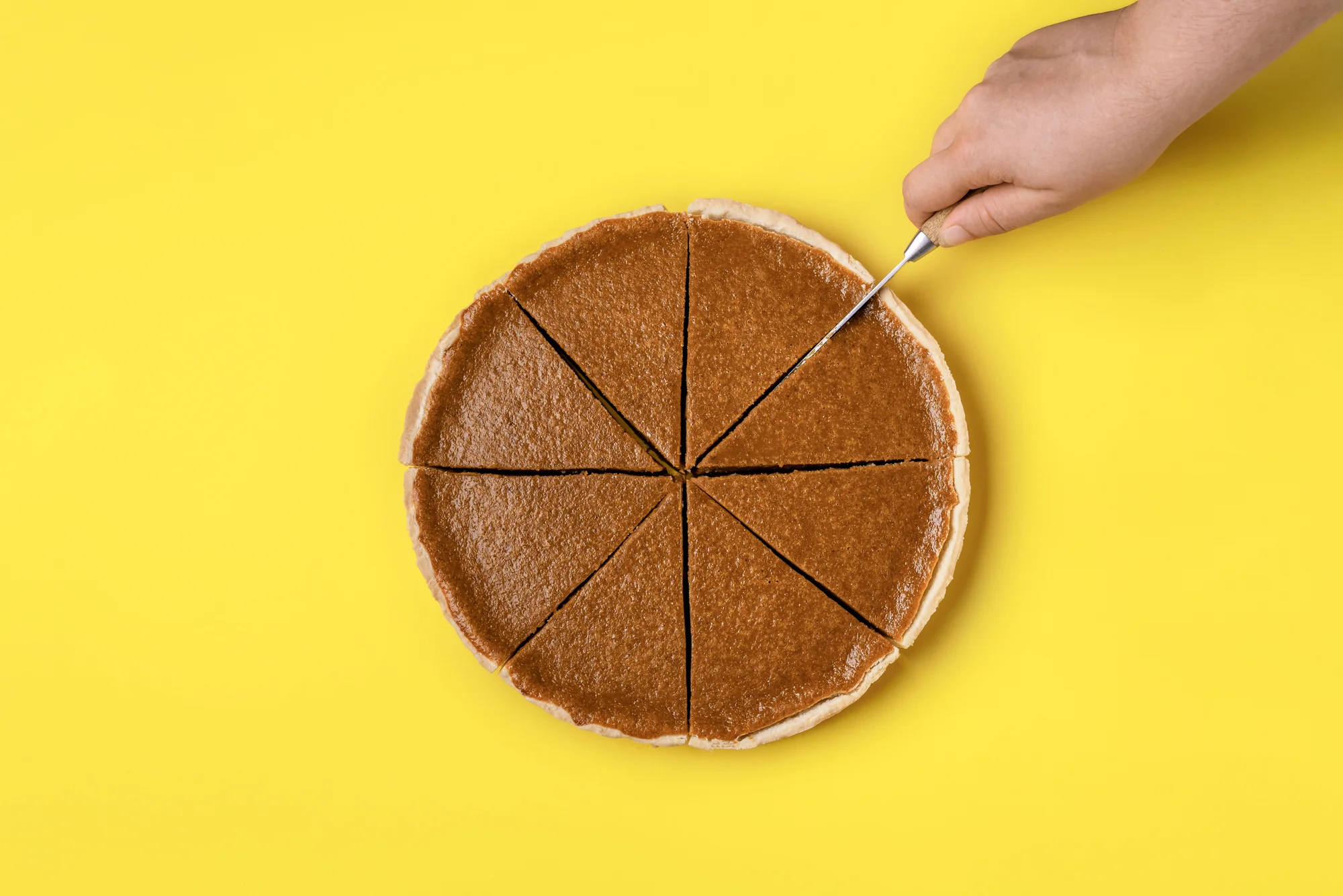
Sharing snacks equally at dinner is a fun, low-key way to help 2nd graders explore the building blocks of multiplication.
4. Ask Your Child to Explain Their Thinking
One simple thing you can do at homework time costs nothing and takes no special math knowledge on your part.
Rather than checking whether the answer is right, ask your child to walk you through how they got there.
This single change does more than you might expect. By regularly explaining their own strategies, children gradually build a deeper understanding and remember more.
A landmark study in cognitive science found that students who explained their own reasoning, articulating why a solution worked, not just how, built a more accurate understanding and retained material significantly better than those who only practiced steps.
In practice, you can try one of these:
-
Replace "Is that right?" with "Show me how you figured it out."
-
Let them use whatever tools help, such as fingers, drawings, a number line, or objects on the table
-
Don't rush them toward a neater method before they've built the understanding that makes it work
Get your child to the efficient method through understanding, not instead of it.
📕 You May Also Like: How to Support Your Student's Math Homework [Parent Tips]
5. Find the Right Balance Between Drills and Understanding
Parents usually take one of two approaches to helping kids practice math facts:
-
The Drill Camp – They go all in with flashcards, timed tests, and apps, practicing as often as possible.
-
The Laid-Back Camp – They skip timed practice entirely, concerned it causes anxiety and doesn't really help kids understand math.
Both instincts have something right about them. Neither is quite enough on its own.
A major 2025 review in Psychological Science in the Public Interest concludes that children develop arithmetic fluency best when instruction combines conceptual understanding with deliberate, retrieval‑based practice, rather than focusing on either alone.
Here's what you can do at home:
-
Keep practice sessions short: one to two minutes of addition or subtraction at a time
-
Pair drills with a visual anchor: a ten-frame, a number line, or a handful of coins that keep the facts connected to meaning
-
Frame timed practice carefully: not as a test of how smart your child is, but as building speed with things they already understand
The emotional tone around math at home has a measurable effect on how children develop, and that's something every parent can influence.
📕 You May Also Like: 5 Reasons Why Students Should Not Prioritize Speed in Math
6. Make Math Part of Everyday Life
Second graders encounter math constantly; they just don't know it yet.
Cooking involves measurement. Making change at a store involves addition and subtraction in a real context. Splitting a snack equally involves the kind of grouping thinking that leads to multiplication. Telling time, reading a scoreboard, and counting steps to the car are all math, and all of it counts.
Meta‑analysis of 22 studies found that the more parents engage in everyday math‑related talk with their children, the stronger the children’s math performance tends to be.
Try things like:
-
"We need 12 strawberries and I've put 7 in the bowl. How many more do we need?"
-
"There are 4 of us and 12 crackers. How many does everyone get?"
-
"We're leaving in 15 minutes. What time will that be?"
Keep it low-pressure and conversational. Two or three of these moments a week, woven into what you're already doing, genuinely move the needle without adding anything to the homework pile.
📕 You May Also Like: Math for Life: Why Math Skills Matter Beyond School
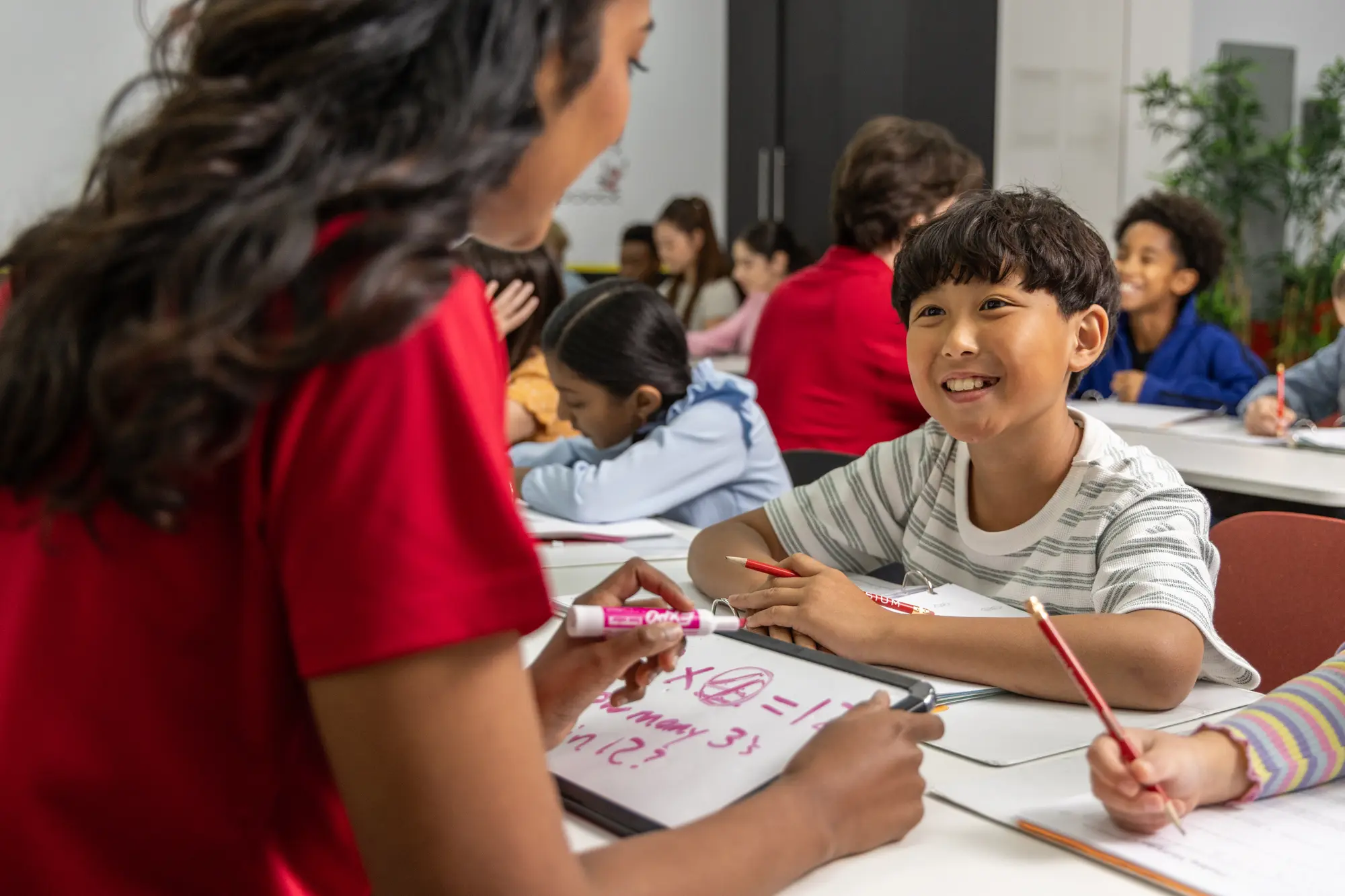
At Mathnasium, tutors meet second graders exactly where they are and build understanding step by step in a caring, hands-on environment.
How Mathnasium Helps 2nd Graders Build Solid Math Foundations
Mathnasium is built on one core belief: every child can learn math when it's taught in a way that truly makes sense to them. Instead of memorization and rushing through material, we focus on building true understanding from the ground up.
When 2nd graders turn to us for math support, we meet them exactly where they are. Not where the curriculum says they should be, where they actually are. That distinction matters because the gaps that make second-grade math hard almost always start earlier, in the number sense and foundational skills that everything else is built on.
Our specially trained tutors don't just help with tonight's homework. They identify the specific gaps holding a child back and fill them in the right sequence, using the Mathnasium Method™, a proven approach that combines visual, verbal, mental, tactile, and written instruction to build understanding that sticks.
Each student begins with a diagnostic assessment that shows us, and you, where their understanding is solid and where it needs support. From there, we build a personalized learning plan designed around your child specifically, instead of a one-size-fits-all program.
The results reflect what's possible when the approach fits the student:
-
94% of parents report an improvement in their child's math skills and understanding
-
93% of parents report their child's improved attitude toward math after attending Mathnasium
-
90% of students saw an improvement in their school grades
For families in and around Logan, UT, Mathnasium of Logan is a trusted local center with experience helping students change how they think and feel about math.
Whether a student is catching up, keeping up, or getting ahead, our team is committed to helping them discover that math can make sense and be enjoyable.
Ready to help your child experience math in a whole new way?
📅 Schedule a Free Diagnostic Assessment at Mathnasium of Logan!
Not near Logan, UT?
📍 Find a Mathnasium Learning Center Near You


 (385) 423-2185
 (385) 423-2185