Teaching young children how to count can feel surprisingly tricky.
One day, they may seem confident, and the next day, counting feels inconsistent or confusing. This is a normal part of early math development, but it often leaves parents wondering what their child should be learning and how to help.
Children develop solid foundational counting skills over time, and they look different in preschool than in kindergarten. Understanding these differences makes it easier to support learning at home without pressure.
Today, we will break down age-appropriate counting strategies, explain what children are really learning as they count, and highlight how these early skills support long-term math confidence.
Counting Skills in Preschool vs. Kindergarten - A Quick Overview
Before we elaborate on each, let’s set the stage by comparing and contrasting how counting skills develop at different stages.
Here’s a quick comparison of how counting skills typically develop between these two stages.
Feature
|
Preschool (Ages 3–4) |
Kindergarten (Ages 5–6) |
Primary Goal
|
Understanding quantity and meaning |
Independence, accuracy, and problem-solving |
Number Range
|
Small groups (2–3 items) |
Larger groups (beyond 10) |
| Key Skills |
Subitizing; One-to-one correspondence |
Connecting words to written numerals |
Mental Math
|
Identifying "more" or "less" |
Justifying why one group is larger |
Application
|
Routine counting |
Using counting as a tool to solve problems |
Here, the main takeaway for parents is:
In preschool, the focus is on recognizing small quantities and understanding that numbers represent real things. By kindergarten, children begin applying counting skills more independently to solve problems and explain their thinking.
Let’s explore each.
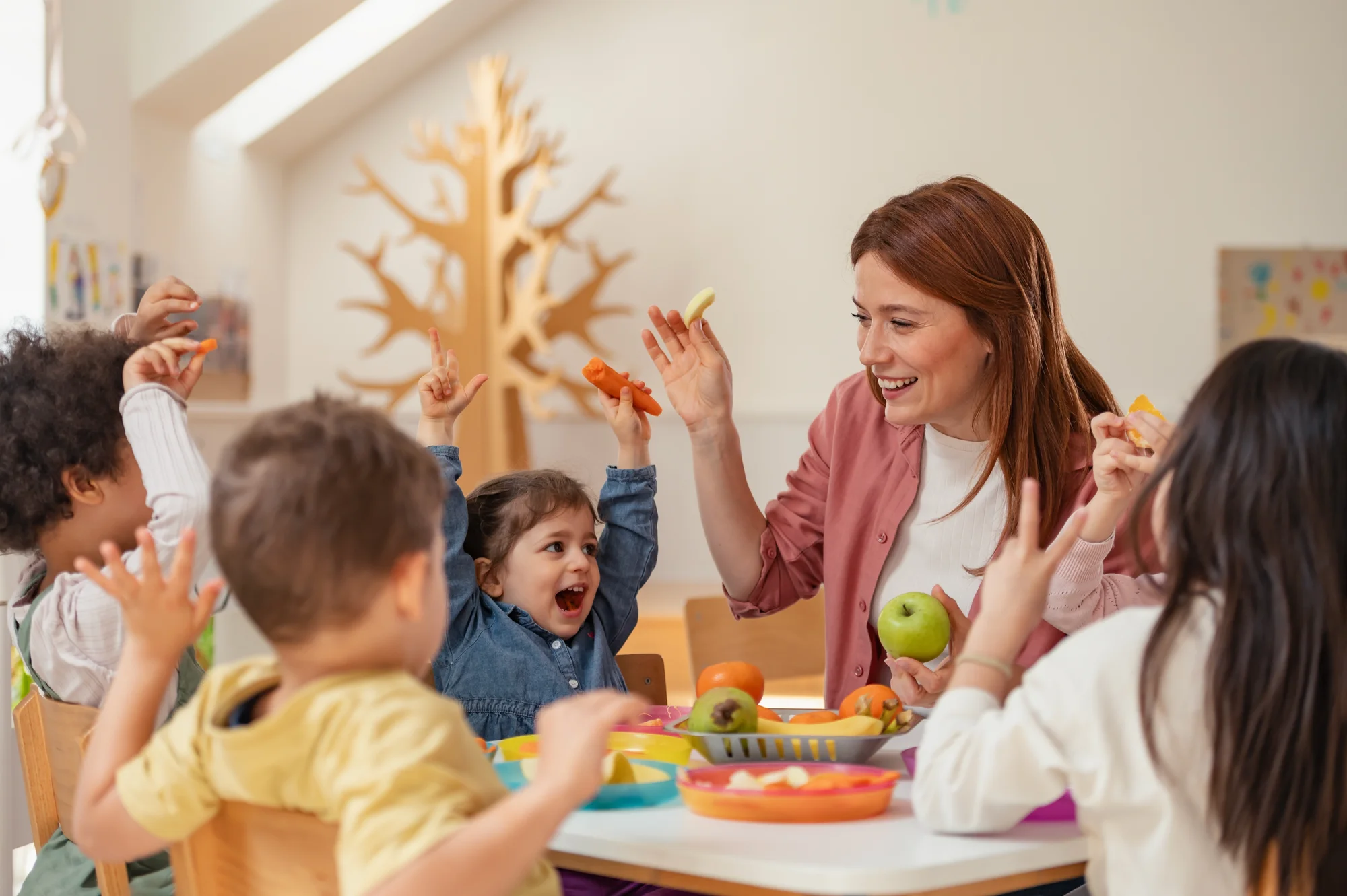
Preschoolers develop counting skills by recognizing small quantities and relating them to real things they interact with.
Foundational Counting Skills Preschoolers Need to Develop First
In preschool, especially between ages three and four, it is completely normal for counting to look messy, inconsistent, or even confusing.
At this stage, counting is less about reaching big numbers and more about helping children understand quantity and meaning.
The foundational counting skills children develop at this age grow from simple ideas, such as noticing small groups and comparing amounts, into early counting.
1. Recognizing Small Groups at a Glance (Subitizing)
Among the first foundational counting skills preschool children develop is the ability to recognize small groups without counting each item.
This skill, known as subitizing, allows children to instantly identify how many objects are in a small group just by looking.
A common example parents may notice at home is during playtime. If you place two or three toy cars on the floor and your child says “three cars” without pointing to each one or counting out loud, they are demonstrating subitizing.
Another everyday sign is when a child knows there are two cookies on their plate or notices that one pile of blocks has more than another without stopping to count.
Subitizing is important because it helps children connect numbers to real quantities.
Before children can count with understanding, they need to recognize that numbers represent actual amounts. This early skill supports number sense and makes later counting more accurate and meaningful.
2. Telling Which Group Has More or Less
After preschoolers begin recognizing small groups at a glance, they naturally start comparing amounts.
Being able to tell which group has “more” or “less” does not require counting. Instead, children rely on visual comparison and intuition about quantity.
Parents usually notice this skill when children react to everyday situations, such as choosing the plate with more snacks or pointing out that one pile of toys is bigger than another.
A preschooler might say, “You have more than me,” even if they cannot explain why. This shows they are beginning to reason about quantity rather than numbers alone.
Understanding differences in quantity helps children make sense of numbers later on and prepares them for formal counting.
Using simple language like “more,” “less,” and “the same” during daily moments helps reinforce this understanding in a natural way.
3. Counting Objects One at a Time
Once preschoolers start comparing groups, they are ready to practice counting objects one at a time.
This skill is known as one-to-one correspondence, and it means matching one number word to one object as they count.
Touching or moving objects while counting can make acquiring this skill easier.
For example, sliding blocks into a line as they are counted or placing toys into a box one by one helps children stay organized. This step is critical because accurate counting depends on understanding that each number represents a single object.
📕 You May Also Like: How to Use Math Manipulatives Effectively at Home
4. Counting in the Correct Order
As preschoolers become more comfortable counting objects one at a time, they also need to learn that numbers follow a specific order. This is called stable number order, and it means that numbers are always said in the same sequence.
Hearing numbers in the correct order again and again helps this skill develop.
Try counting slowly together during everyday moments, such as climbing stairs or putting toys away, to reinforce the idea that numbers follow a consistent pattern.
5. Understanding “How Many” After Counting (Early Cardinality)
One of the more advanced fundamental skills preschoolers begin to develop is cardinality – the understanding that the last number they say when counting tells them how many objects there are in total.
Parents may notice that their child can count a group of objects correctly, but when you ask, “How many are there?” right afterward, they still don’t know the answer.
This is a normal part of learning and usually develops with time and gentle practice.
To support this skill, it helps to pause after counting and restate the final number. Saying something like, “You counted five blocks, so there are five blocks altogether,” reinforces the idea that the last number represents the total.
As preschoolers begin to grasp this concept, their counting becomes more meaningful and sets the stage for early math learning in kindergarten.
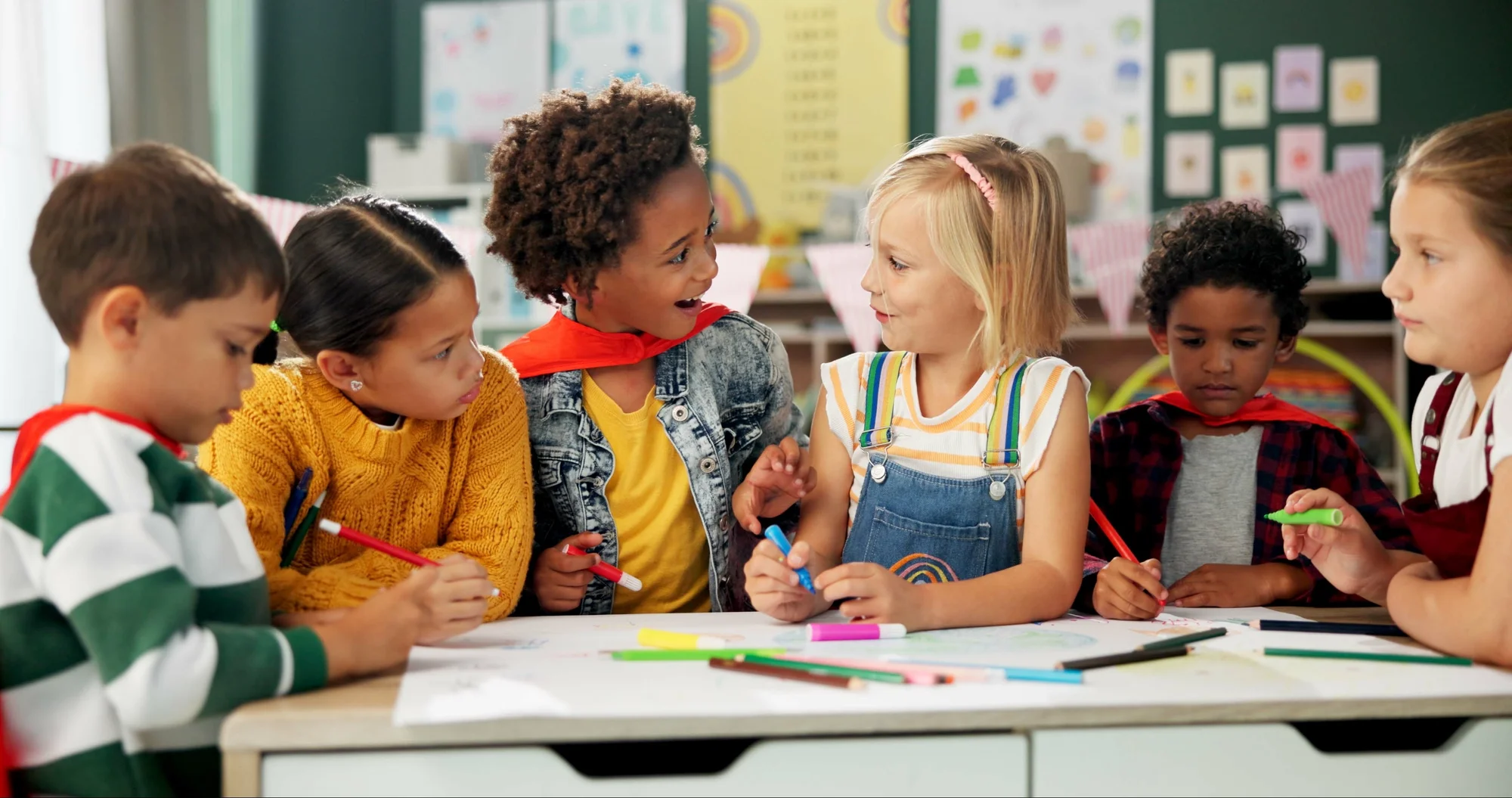
Kindergarteners apply counting skills more independently to solve problems.
Counting Strategies That Help Kindergarteners Build Confidence and Accuracy
By the time children reach kindergarten, typically between ages five and six, many parents notice that counting starts to look more intentional and purposeful.
At this stage, children are expected to use counting skills more independently and with greater accuracy. Instead of simply learning what numbers mean, kindergarteners begin applying counting to solve simple problems, recognize patterns, and make sense of larger groups.
The skills below build on preschool foundations and support the growing confidence and structure that kindergarten math requires.
1. Subitizing and Comparing Larger Groups
As children enter kindergarten, subitizing continues to play an important role, but it expands beyond small groups like 1 to 5 objects that they can instantly recognize without counting. Kindergarteners begin recognizing slightly larger quantities, such as 6 to 10, and using comparison skills more deliberately.
Parents may notice this when a child quickly identifies how many dots are on a die or when they look at two snack plates and immediately point to the one with more sweets.
Unlike preschoolers, kindergarteners often begin to justify their thinking by saying things like, “This group has more because it has two extra.”
This skill matters because it strengthens number sense and mental math.
Being able to see and compare quantities helps children transition from basic counting to reasoning with numbers.
2. Counting Larger Groups Accurately
In kindergarten, children begin counting larger groups of objects, usually beyond ten, while trying to stay accurate and organized. This can be challenging, especially when objects are spread out or look similar.
Parents may notice their child slowing down, lining items up, or grouping objects as they count.
These behaviors are positive signs that the child is learning strategies to count more accurately. For example, a kindergartener might move toys into a row or count blocks in small groups before adding them together.
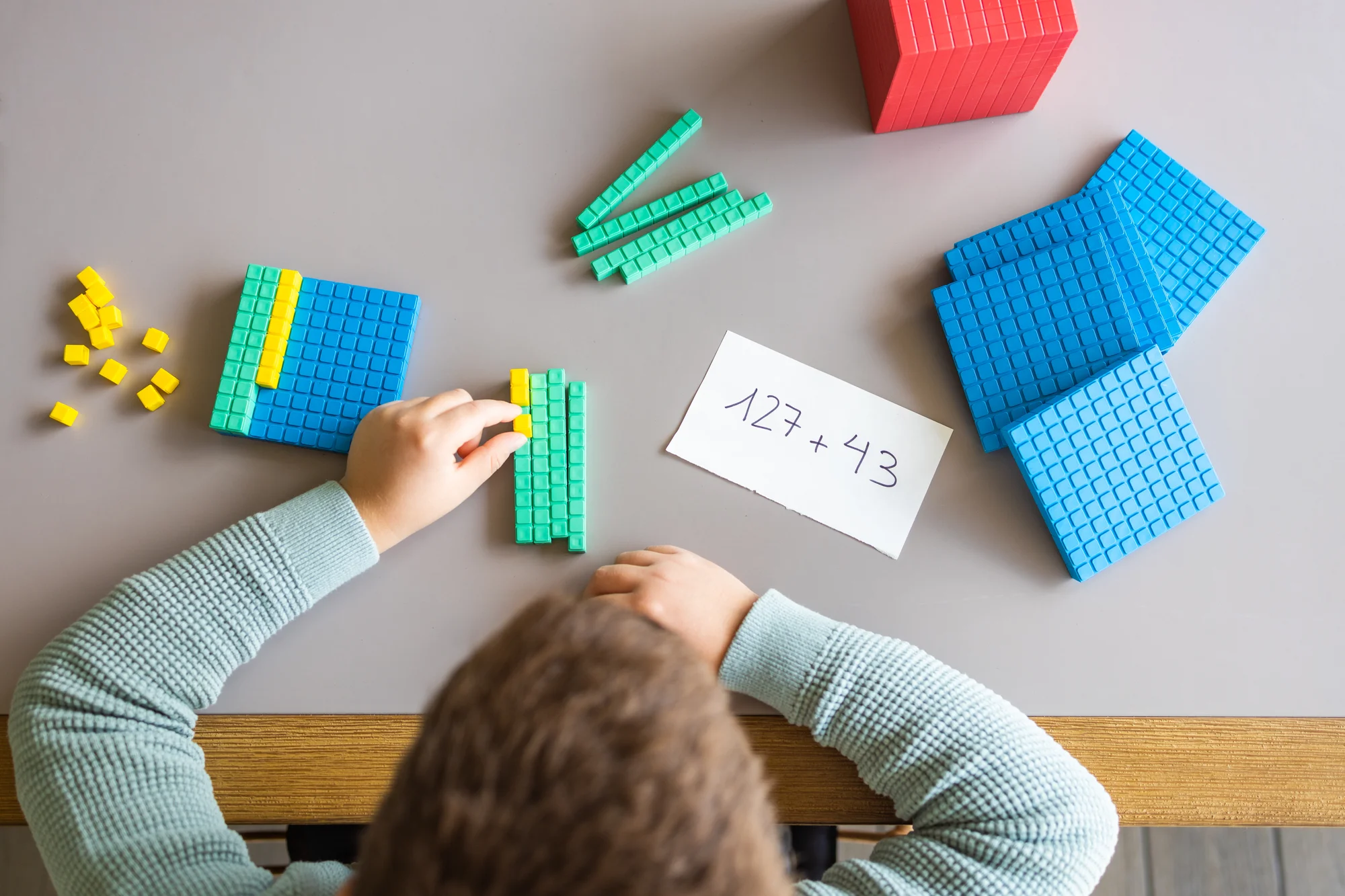
Accuracy becomes more important at this stage because counting is now used to solve problems rather than just practice number words.
3. Connecting Spoken Numbers to Written Numerals
Around ages five and six, kindergarteners begin making stronger connections between the numbers they say out loud and the numerals they see in print.
This means recognizing that the word “seven” matches the written number 7 and understanding that both represent the same quantity.
Parents often notice this skill developing during everyday activities, such as when a child points out numbers on a calendar, recognizes house numbers, or identifies the correct number on a clock.
A kindergartener might say, “That’s my age,” when they see the number five or six written down. This connection is important because written numerals appear more often in kindergarten math, from worksheets to simple word problems.
When children can confidently link spoken numbers to written ones, they are better prepared to follow instructions, read math problems, and work independently.
4. Counting Forward and Backward With Purpose
After kindergarteners are comfortable counting larger groups and recognizing written numbers, they begin counting in more flexible ways, such as counting forward and backward.
Counting forward reinforces number order, while counting backward builds a foundation for early ideas related to subtraction and the concept of taking away.
Parents may notice this when a child counts down before jumping or counts backward as they clean up toys. These moments show that counting is becoming a useful tool rather than a memorized sequence.
At first, backward counting may be slower or limited to small numbers, which is completely appropriate at this age.
Practicing counting in both directions helps kindergarteners deepen their understanding of number relationships.
5. Using Counting to Solve Simple Problems
After kindergarteners have built confidence with counting accurately, recognizing written numbers, and counting forward and backward, they begin using counting to solve simple problems.
Children will start using numbers to make sense of everyday situations, such as figuring out how many cups are needed for everyone at the table or how many toys are left after sharing.
Parents may notice their child counting off from a number instead of starting at one or using fingers to keep track while solving simple problems. These moments show that the child is beginning to think with numbers rather than just say them.
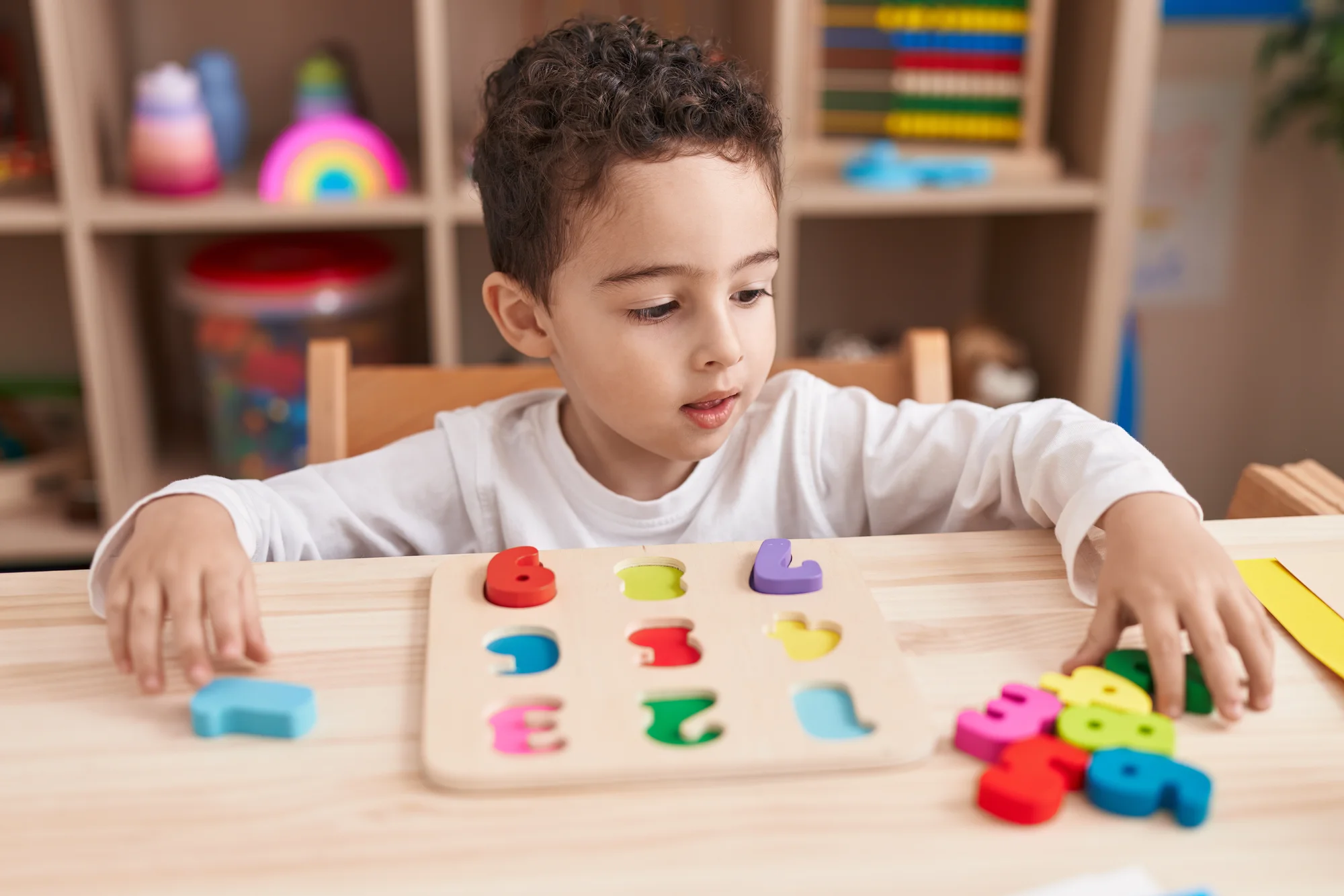
Building up fundamental counting skills in preschool and kindergarten is essential for picking up more complex concepts later on.
Common Questions About Counting Skills for Preschoolers and Kindergartners
Parents often have questions about when children should develop counting abilities, what normal progress looks like, and how to support learning at home.
Our tutors addressed some of these concerns to help clarify expectations during early math development:
a. At what age should children start learning to count?
Children begin learning about numbers much earlier than formal counting begins. Many are exposed to number words through songs and everyday language as early as age two.
Around ages three to four, preschoolers typically start developing foundational counting skills, such as recognizing small quantities or attempting to count objects. By kindergarten, most children are ready to count more accurately and use numbers with purpose.
b. Is it normal if my preschooler can count but doesn’t understand quantity?
Yes, this is very common, especially between the ages of three and four. At this stage, many preschoolers can recite numbers in order but have not yet connected those number words to actual quantities.
Understanding how many objects are in a group usually develops gradually through hands-on counting and everyday practice, often becoming more consistent closer to kindergarten.
c. How much counting practice should preschoolers and kindergarteners do each day?
Short, frequent practice works best. For most preschoolers and kindergarteners, a few minutes at a time throughout the day is more effective than long or structured lessons.
Counting during everyday moments, such as snack time, play, or cleanup, helps children learn naturally without feeling pressured.
d. What’s the difference between counting skills in preschool vs. kindergarten?
In preschool, counting focuses on understanding quantity and building early number sense, such as recognizing small groups, comparing amounts, and counting objects one at a time.
In kindergarten, children build on these foundations by counting more accurately, working with larger numbers, recognizing written numerals, and using counting to solve simple problems.
The shift is from learning what numbers mean to using numbers naturally.
e. When should parents be concerned about counting or early math struggles?
Some variation in counting skills is completely normal between ages three and six. Many preschoolers, especially around ages three to four, are still developing basic counting and quantity understanding, and uneven progress is expected.
Parents may want to look more closely if a child around five or six years old continues to struggle with basic counting concepts, shows little improvement over time, or avoids number activities altogether despite regular exposure.
In these cases, extra support can be helpful. Early guidance, whether through targeted practice at home or professional tutoring, can help children build confidence and strengthen foundational math skills before gaps become more frustrating later on.
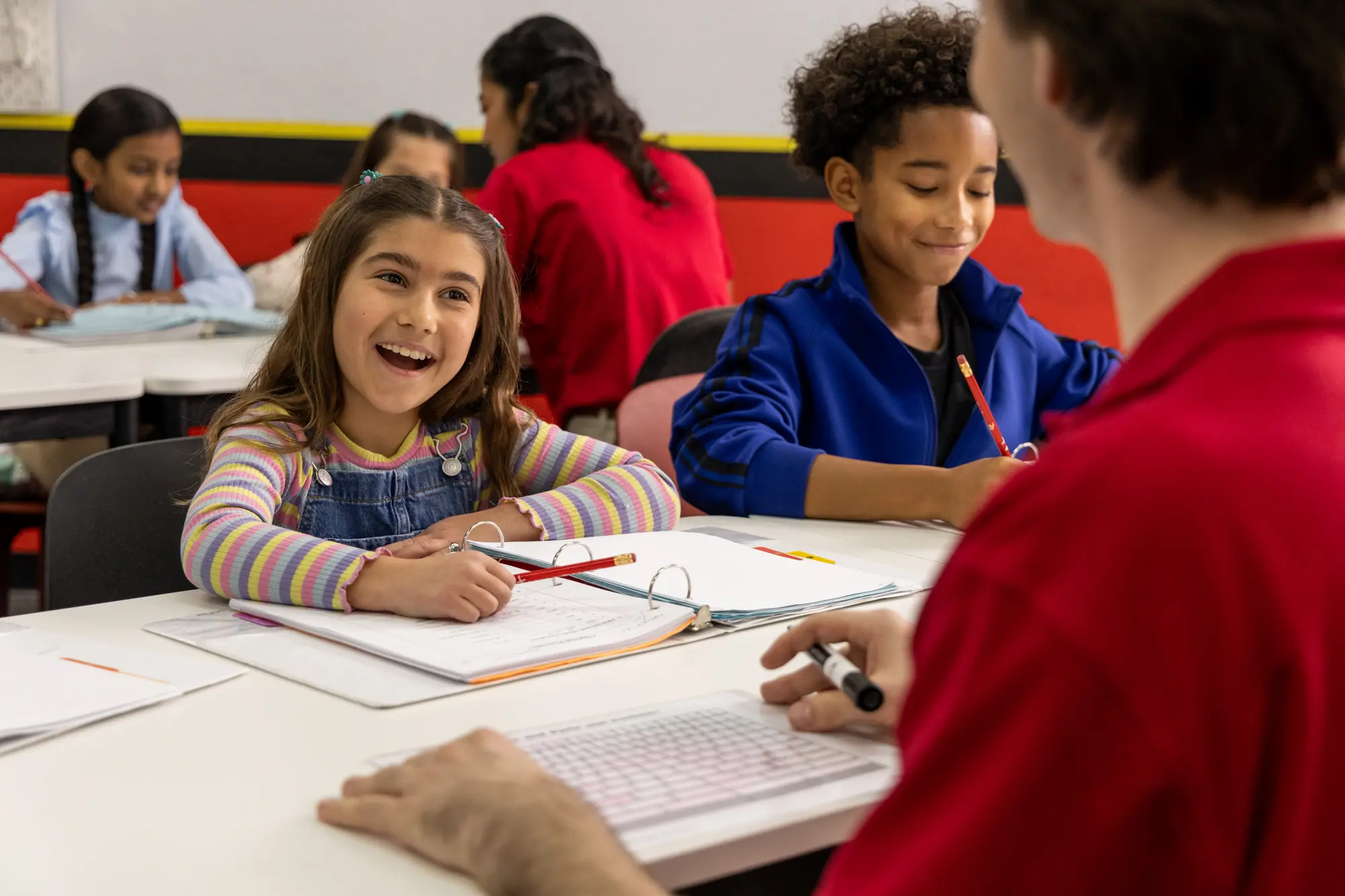
At Mathnasium, we work with both preschoolers and kindergartners to ensure their counting skills are fully developed.
How Mathnasium Builds Counting Skills and Number Sense That Last
For some children, extra guidance can make early counting skills feel clearer, more manageable, and more enjoyable. Mathnasium is a math-only learning center designed to support students of all skill levels, including preschoolers and kindergarteners, by focusing on understanding, confidence, and steady progress rather than memorization.
-
Personalized learning plans: Every child begins with an assessment that helps identify exactly where they are in their math development. Instruction is then tailored to strengthen foundational counting skills, number sense, and early problem-solving at the right pace for each child.
-
A proven method focused on understanding: The Mathnasium Method is built around helping children make sense of math concepts. Instead of rushing ahead, tutors ensure children understand ideas like quantity, counting accuracy, and number relationships before moving on.
-
Trained instructors who work with young learners: Mathnasium tutors are trained to explain math in clear, age-appropriate ways. Sessions are supportive and hands-on, which helps preschoolers and kindergarteners stay engaged and build confidence.
-
Results that go beyond math skills: Many families report improvements not only in their child’s counting and early math abilities, but also in focus, confidence, and attitude toward learning math.
With more than 1,100 centers nationwide, Mathnasium delivers proven, personalized support to families everywhere.
For parents in the Westminster, Colorado area, Mathnasium of South Westminster stands out as a top-rated local resource, offering the structured help that complements home practice and turns early counting struggles into lasting math confidence.
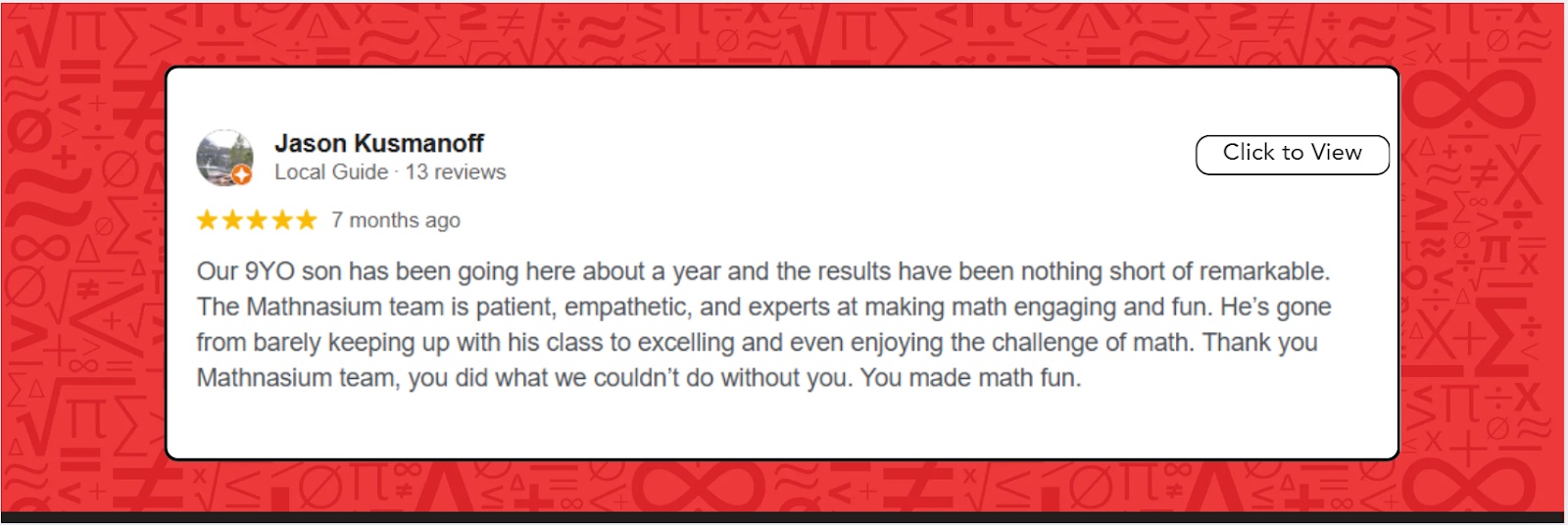
Here’s how one parent described their child’s experience at Mathnasium:
Whether your child needs help catching up, wants to stay on track, or is ready to move ahead, Mathnasium can support their journey. And if they’re excited about graphing, we’ll build on that interest with meaningful activities that go beyond seasonal fun.
To get started, schedule a free assessment at Mathnasium of South Westminster or your nearest learning center. Our team is here to help your child unlock their full math potential all year long.


 (720) 524-4533
 (720) 524-4533