












What is a Hypotenuse?
The side of a right triangle that is opposite to the right angle. It is always the longest side of a right triangle.
In a right triangle, one of the angles measures exactly 90 degrees. The hypotenuse is the side that is directly opposite this right angle. It’s also the longest side of the triangle.
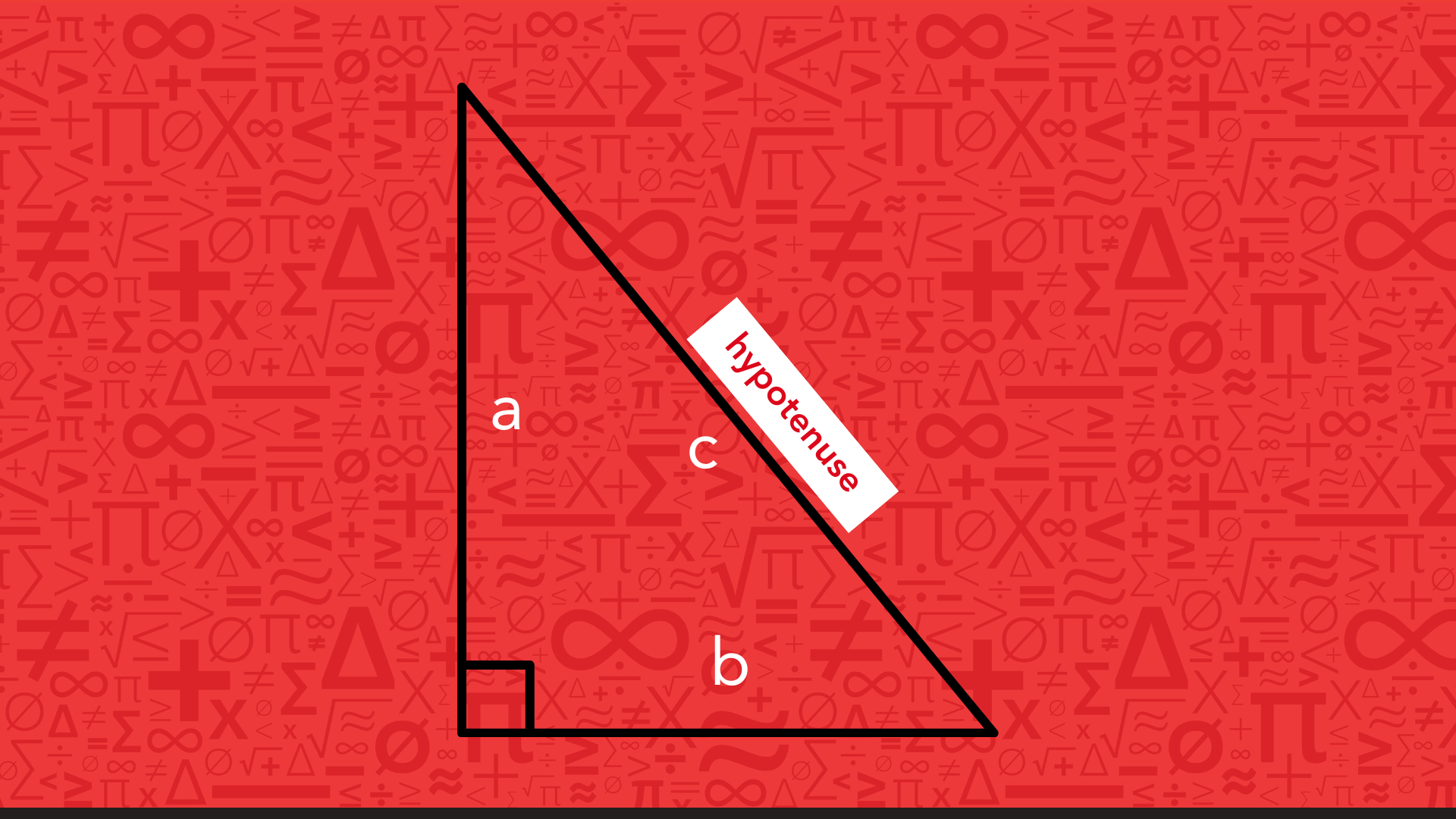
You’ll often see the hypotenuse labeled as c in the Pythagorean Theorem:
a² + b² = c², where a and b are the two shorter sides, and c is the hypotenuse.
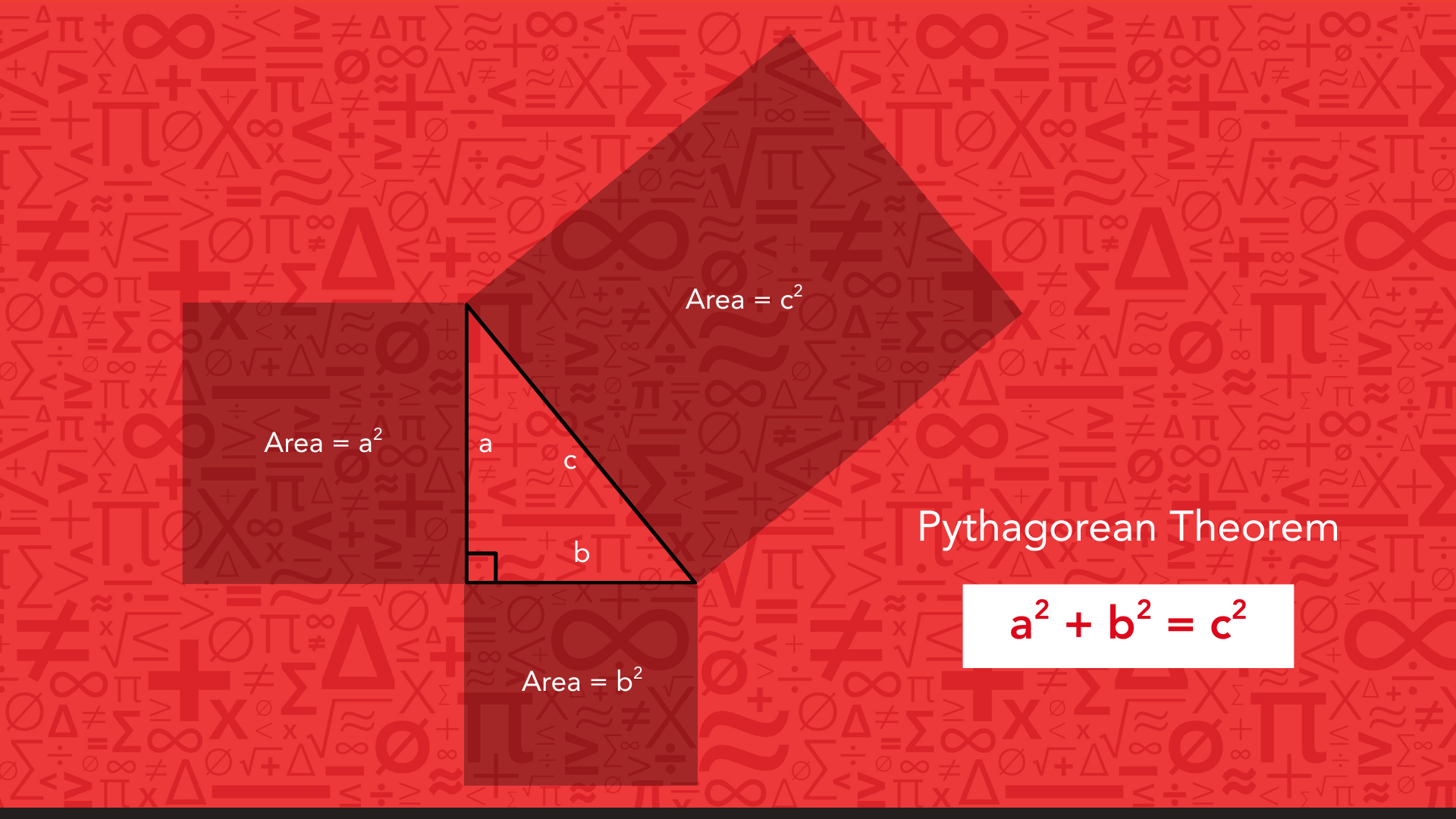
For example, in a triangle where the two shorter sides are 3 units and 4 units:
- 3² + 4² = 9 + 16 = 25
- So, the hypotenuse is √25 = 5 units
The hypotenuse shows up in real-life situations like:
- Finding the diagonal of a TV screen
- Measuring the shortest path between two corners
- Solving problems in construction and design
When Do Students Learn About the Hypotenuse?
Students are introduced to right triangles and the concept of the hypotenuse in middle school, and they use it in geometry and algebra through high school.
Grades 6–8 – Introduction to the Hypotenuse
Students begin learning about right triangles and use the Pythagorean Theorem to find the hypotenuse in simple problems.
Grades 9+ – Applying the Hypotenuse in Geometry and Trigonometry
Students work with more advanced problems involving right triangles, trigonometric ratios, and coordinate geometry.