










A discrete item that can be selected, maneuvered, and manipulated, such as an onscreen graphic, a mathematical symbol or quantity, or physical item.
In math, an object is any individual item we can count, measure, move, or study. It can be something physical (like a block or coin) or something we imagine (like a point, number, or shape).
Math objects can include:
- Shapes like circles, triangles, and cubes
- Numbers or symbols in an equation
- Items in a data set or graph
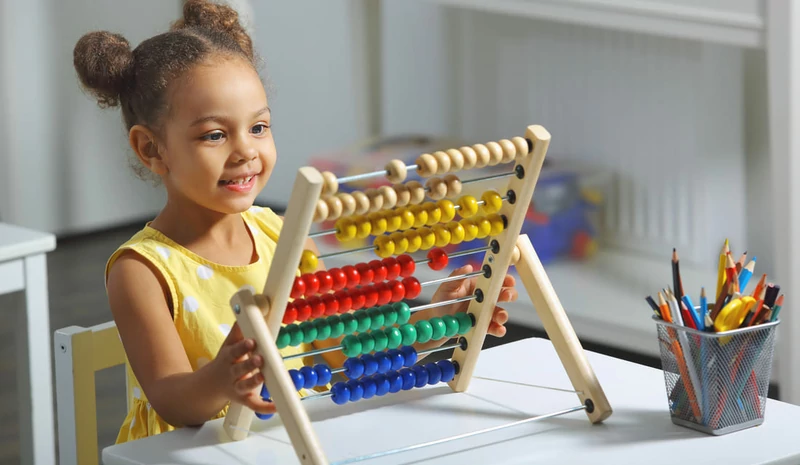
- Manipulatives like counters or tiles used for learning
We often group objects, sort them by categories, or use them to explore math ideas like patterns, geometry, and measurement.
When Do Students Learn About Objects in Math?
Students begin working with math objects in early childhood and continue to use them throughout their education to understand abstract concepts more clearly.
Early Childhood – Exploring Math with Real Objects
Students use physical objects (like toys or blocks) to count, compare, and learn math through hands-on activities.
Grades 1–2 – Connecting Objects to Math Ideas
Students represent objects with numbers, symbols, and pictures. They use objects to model addition, subtraction, and patterns.