












What is an Obtuse Triangle?
A triangle with an obtuse angle
An obtuse triangle is a triangle that has one obtuse angle, which is what we call an angle greater than 90° but less than 180°.

Since the angles in every triangle add up to 180°, an obtuse triangle can only have one obtuse angle, so the other two angles must be acute (less than 90°).
What does this look like?
- A triangle with angles measuring 120°, 30°, and 30° is obtuse.
- A triangle with angles measuring 100°, 40°, and 40° is also obtuse.
An obtuse triangle can be scalene (all sides different) or isosceles (two sides equal), but it cannot be equilateral because equilateral triangles have equal 60° angles.
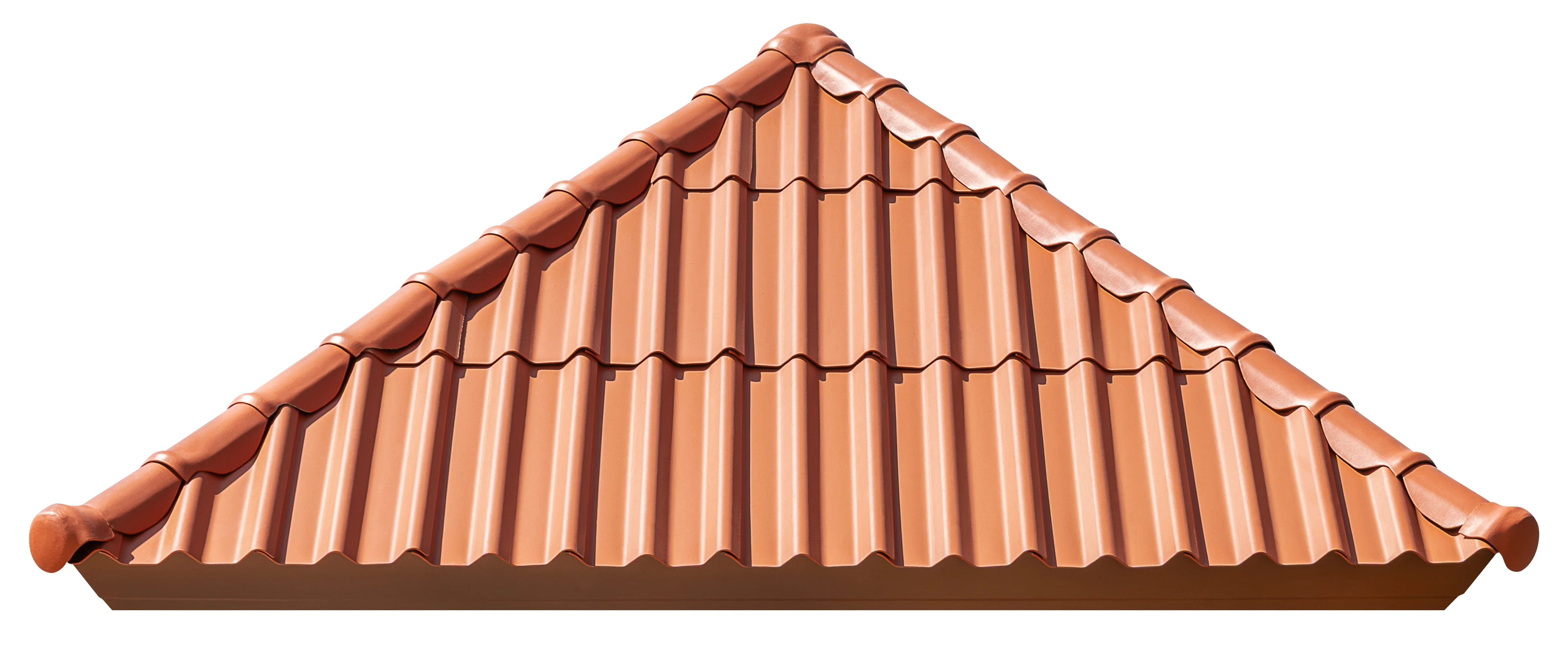
Obtuse triangles are flat, two-dimensional (2D) shapes. We usually see them as part of the surfaces of three-dimensional objects, such as the sides of roofs, clothes hangers, and more.
When Do Students Learn About Obtuse Triangles?
Students learn about obtuse triangles after they understand basic triangle types and angle measurement.
Grades 4–5 – Recognizing Obtuse Triangles
Students learn to identify obtuse triangles by finding and measuring angles with protractors.
Grades 6+ – Using Obtuse Triangles in Geometry
Students apply properties of obtuse triangles in classification, angle calculations, and geometry problems.