











What is a Transformation (in Math)?
A transformation is a change in the position, size, or orientation of a shape
In math, a transformation, also called a geometric transformation, is a way to move or change a shape while keeping its structure the same. It describes how a figure is changed on a coordinate plane or in space, whether it’s sliding, flipping, turning, or resizing.
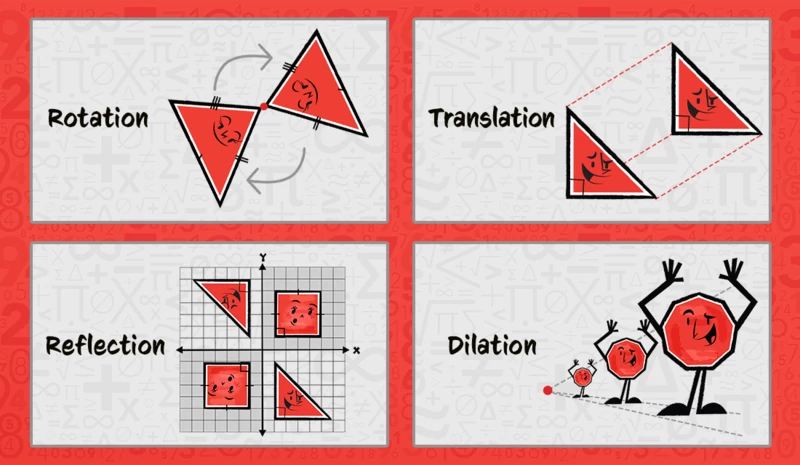
There are four main types of transformations:
-
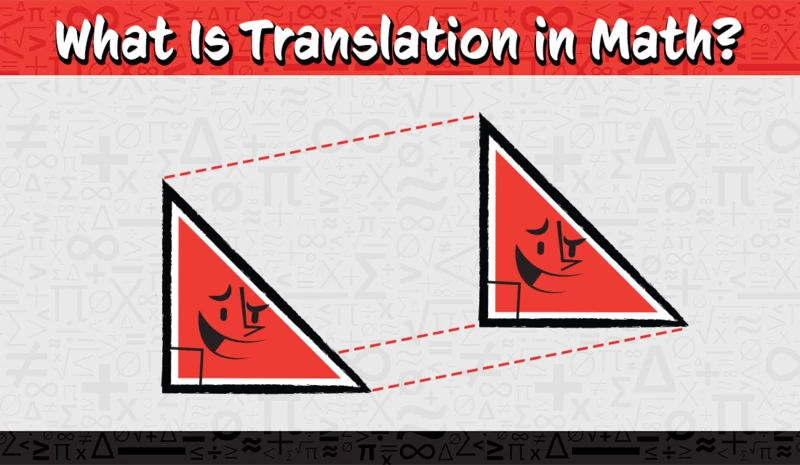
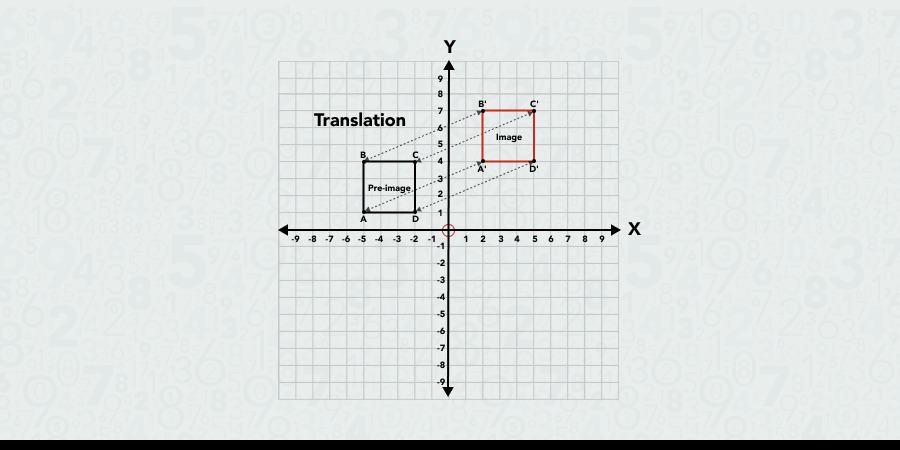
Translation: slides a shape without rotating or flipping it
-
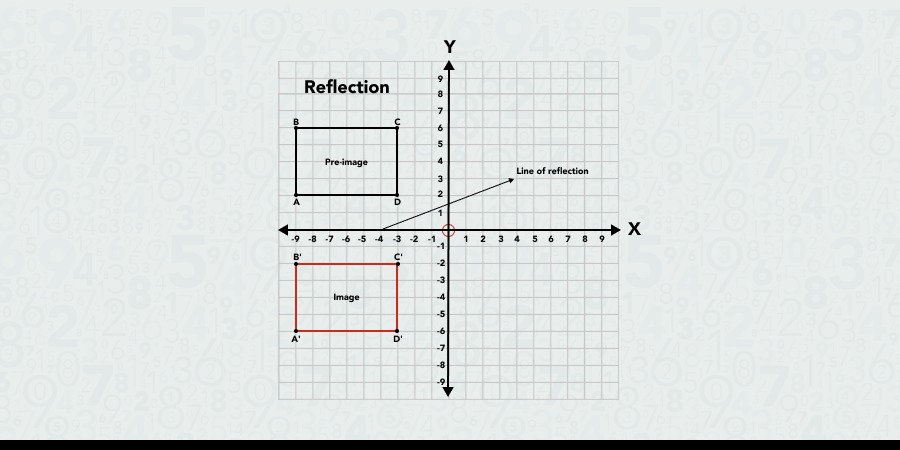
Reflection: flips a shape over a line to create a mirror image
-
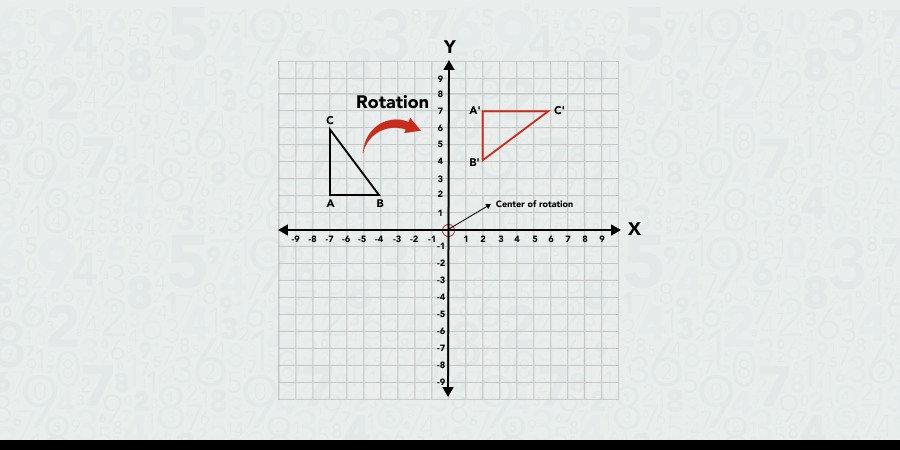
Rotation: turns a shape around a fixed point
-
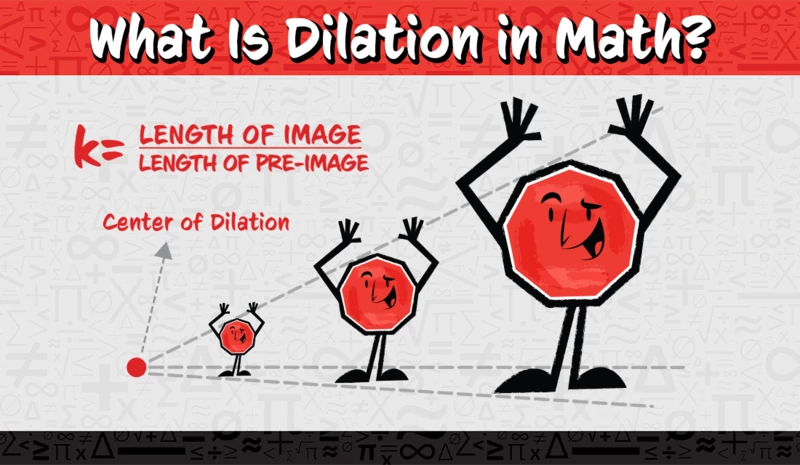
Dilation: resizes a shape larger or smaller, keeping proportions the same
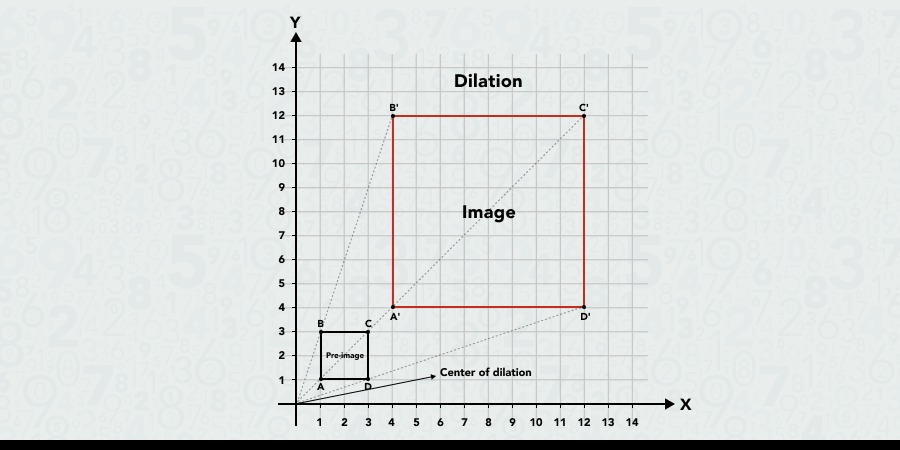
Transformations help students understand symmetry, congruence, and similarity. They are also the foundation for more advanced geometry concepts and coordinate proofs.
When Do Students Learn About Transformations?
Students are first introduced to the idea of transformations in upper elementary but they refer to them as slides, flips and turns. As they progress to middle school, they are introduced to the formal vocabulary and begin to explore transformation as part of their geometry and spatial reasoning units.
Grades 6–8 – Introduction to Transformations
Students explore translations, reflections, rotations, and dilations. They use coordinate grids to describe and perform transformations.
Grades 9+ – Applying Transformations in Geometry
Students apply transformations to prove properties of figures, understand congruence and similarity, and solve geometric proofs.