





What is an Algorithm in Math?
A step-by-step set of instructions for performing a given task
In math, an algorithm is a specific sequence of steps (a method or procedure) we use to solve a problem or perform a calculation. It’s like a recipe: follow the specific method, like baking at the right temperature instead of frying, and you’ll get the correct outcome.
For example, the method you use to add two-digit numbers—lining up the digits, adding the ones place, regrouping if needed, then adding the tens—is a common algorithm for addition.

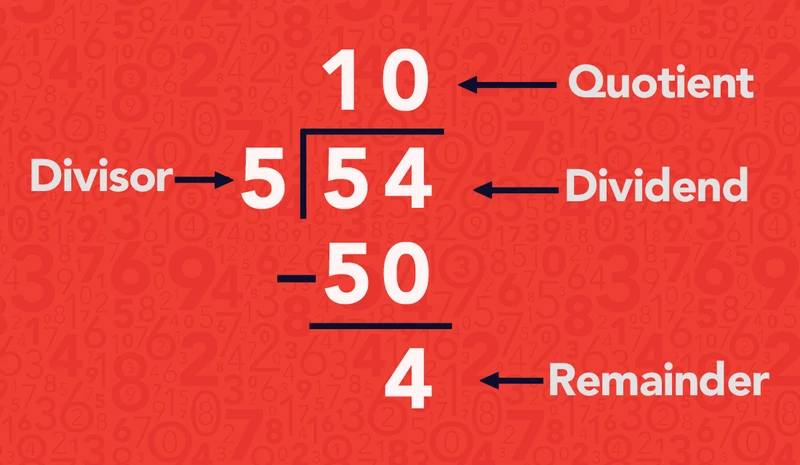
Another example is the long division algorithm, where you divide step by step, subtract, bring down the next digit, and repeat until you reach the answer, like we did here:

Algorithms help us solve problems in:
- Addition, subtraction, multiplication, and division
- Finding square roots
- Solving equations
Once students understand the “why” behind a concept, algorithms help them solve problems quickly and accurately.
When Do Students Learn About Algorithms?
Students begin learning algorithms as soon as they start solving problems using step-by-step procedures. These skills grow more advanced as they progress through school.
Grades 2–4 – Introduction to Algorithms
Students begin using basic algorithms for operations like addition, subtraction, and multiplication.
Grades 5+ – Using Algorithms for Multi-Step Problems
Students apply algorithms to more complex operations, word problems, and equations.