











What Is a Non-Rigid Transformation?
A transformation that changes a figure’s size or shape.
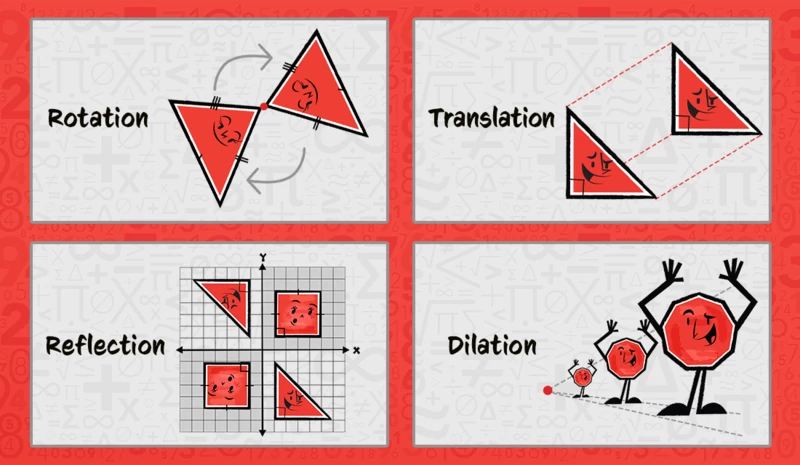
In math, a non-rigid transformation is a transformation that changes the size, shape, or both of a figure. Unlike rigid transformations, which preserve size and shape, non-rigid transformations allow a figure to stretch, shrink, or distort.
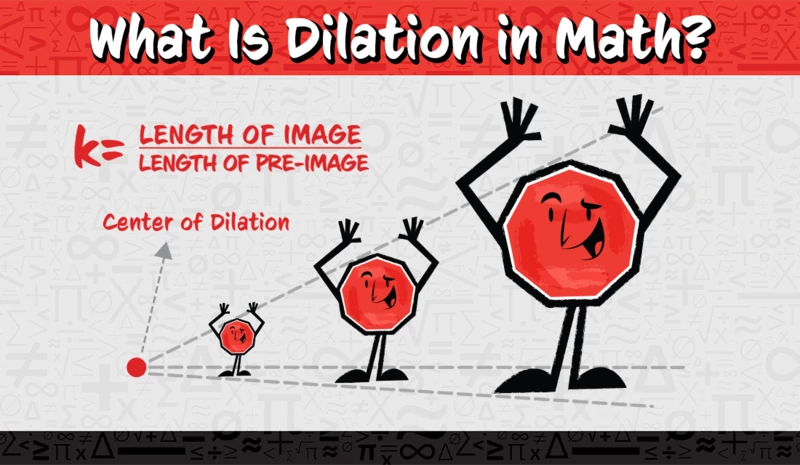
The most common type of non-rigid transformation is dilation.
Dilation is a non-rigid transformation that enlarges or reduces a figure proportionally while maintaining the same shape.
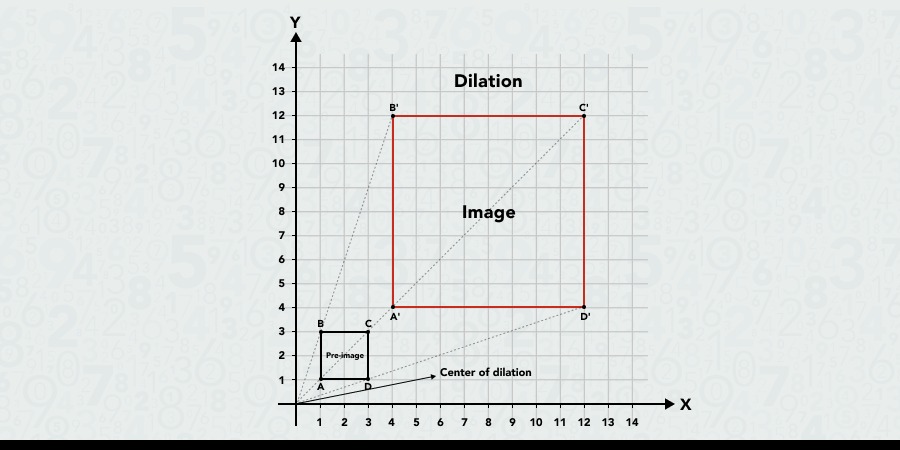
Non-rigid transformations help students understand similarity, scaling, and how shapes can change while still keeping some proportional relationships.
When Do Students Learn About Non-Rigid Transformations?
Students explore non-rigid transformations after they’ve built a foundation with rigid transformations and begin learning about similarity and proportional relationships.
Grades 6–8 – Introduction to Non-Rigid Transformations
Students are introduced to dilations and explore how figures change size on the coordinate plane.
Grades 9+ – Using Non-Rigid Transformations in Geometry
Students use non-rigid transformations to analyze similar figures, solve real-world geometry problems, and support similarity proofs.