











What Is a Rigid Transformation?
A transformation that changes a figure’s position or orientation without changing its size or shape.
In math, a rigid transformation is a way of moving a shape without stretching or shrinking it. The shape may slide, flip, or turn, but it keeps its exact size and shape.
These transformations preserve distance and angle measures, so the original figure and its image are congruent.
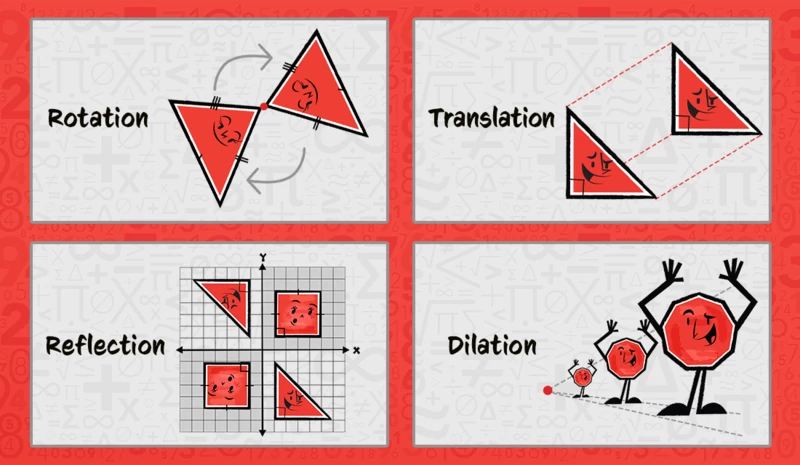
There are three main types of rigid transformations:
-
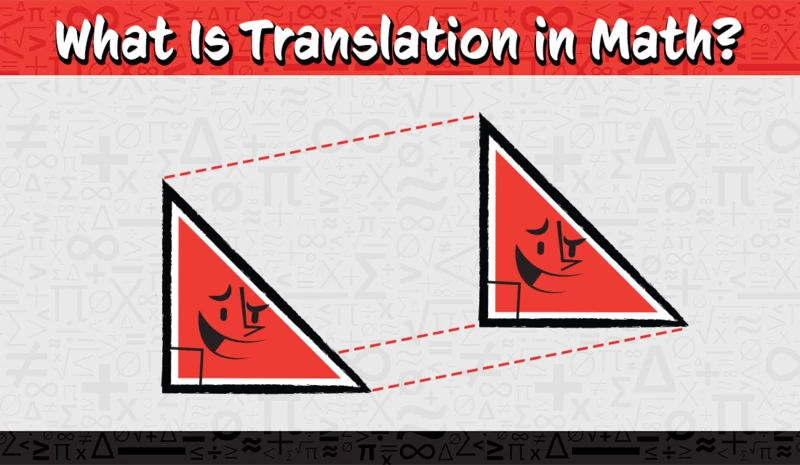
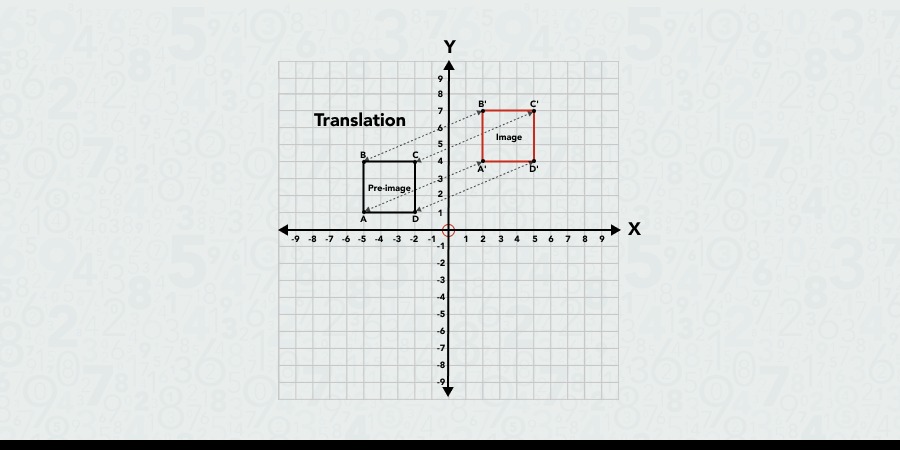
Translation: Slides a shape to a new location without turning it.
-
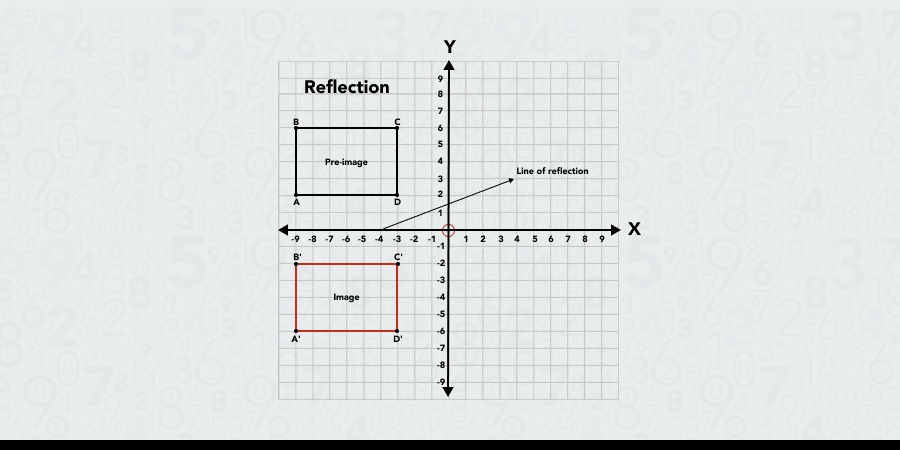
Reflection: Flips a shape over a line, like a mirror image.
-
Rotation: Turns a shape around a point.
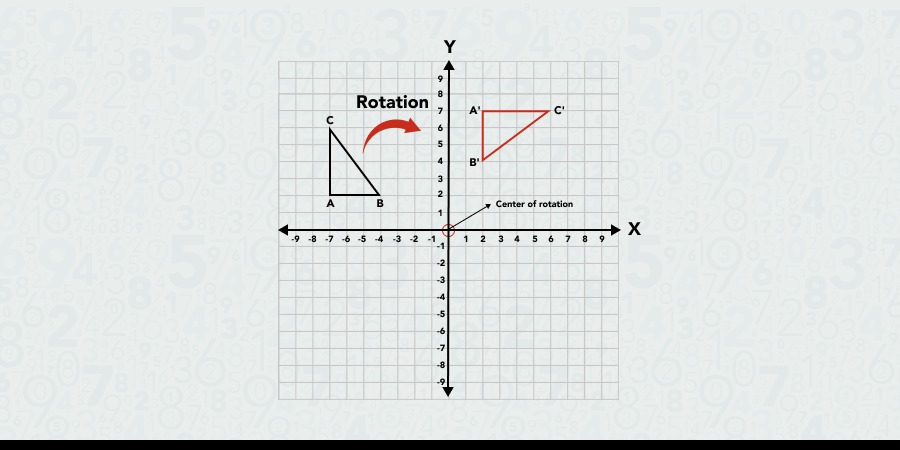
Rigid transformations help students understand congruence and how shapes relate to one another in space. They are foundational in both geometry and coordinate graphing.
When Do Students Learn About Rigid Transformations?
Students first encounter transformations as early as upper elementary school, where they usually use the terms like slides, flips and turns. They are introduced to concepts like rigid transformations as part of their introduction to geometry and the coordinate plane.
Grades 4–5 – Exploring Shape Movement
Students informally explore how shapes slide, flip, and turn using manipulatives and drawings.
Grades 6–8 – Working with Rigid Transformations on the Coordinate Plane
Students apply translations, reflections, and rotations using coordinate points and learn how rigid transformations relate to congruence.
Grades 9+ – Rigid Transformations in Geometry Proofs
Students use rigid transformations to support formal proofs and reasoning about congruent triangles and other figures.