












What is a Number Line?
A straight line on which numbers are marked at equal intervals. It shows the position and order of numbers and helps compare them.
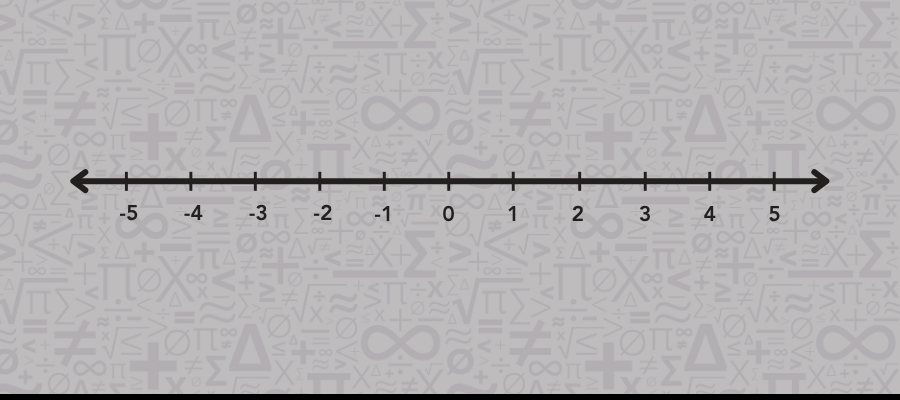
A number line is a visual tool that shows numbers in order along a straight, horizontal line. Numbers can be placed at equal distances from the next, making it easier to understand their order, size, and relationships.
The center of the number line is usually zero, and it stretches in both directions:
-
To the right are positive numbers (1, 2, 3…)
-
To the left are negative numbers (–1, –2, –3…)
Number lines are used to:
-
Add and subtract numbers, especially with movement left or right
-
Understand negative numbers and absolute value
-
Compare the size of numbers
-
Solve problems involving distance and intervals
-
Visualize fractions and decimals
They are especially helpful for showing how numbers relate to one another, and for helping students grasp concepts like greater than, less than, and differences between numbers.
When Do Students Learn About Number Lines?
Students start using number lines early in their math journey, and continue using them as problems grow more complex.
Grades 1–2 – Introduction to Number Lines
Students use number lines to count, add, and subtract. They begin learning about whole numbers and their order.
Grades 3–5 – Number Lines with Fractions and Decimals
Students use number lines to represent and compare fractions and decimals, and to solve more advanced word problems.
Grades 6+ – Applying Number Lines in Algebra and Data
Students use number lines to explore rational numbers, inequalities, and functions. Number lines support deeper understanding in algebra and geometry.