










A solid figure whose bases have the same size and shape and are parallel to one another, and each of whose sides is a parallelogram.
A prism is a 3-D (three-dimensional) shape with two matching bases that are flat, equal in size, and parallel. The sides that connect the bases are flat surfaces shaped like parallelograms (or rectangles in a right prism).
There are different types of prisms, depending on the shape of the base. For example:
-
A triangular prism has two triangle bases.
-
A rectangular prism has two rectangle bases (like a box).
-
A hexagonal prism has two hexagon bases.
-
And so on
We see prisms in everyday objects like cereal boxes (rectangular prism), tents (triangular prism), or even honeycomb containers (hexagonal prism). Learning about prisms helps students understand volume, surface area, and the properties of 3-D shapes.
When Do Students Learn About Prisms?
Students start learning about 3-D shapes, including prisms, as part of their geometry and measurement lessons.
Grades 3–5 – Introduction to Prisms
Students learn to identify and describe prisms and distinguish them from other 3-D shapes based on their faces, edges, and vertices.
Grades 6+ – Working with Prisms in Geometry
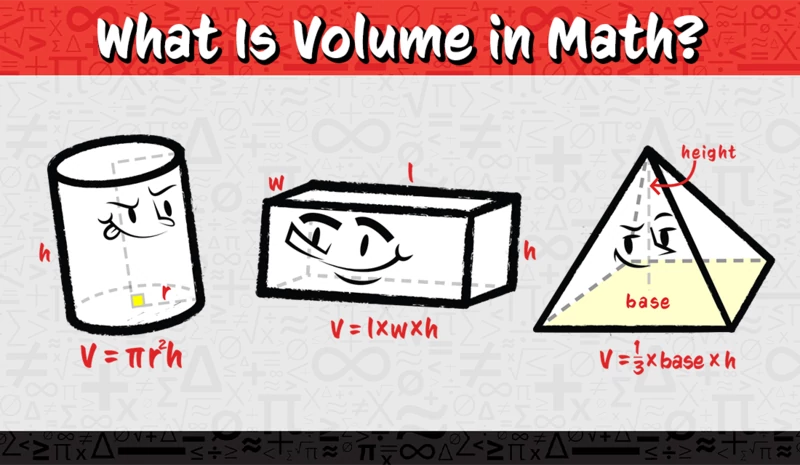
Students calculate surface area and volume of prisms, represent them with nets, and use them in word problems and geometric reasoning.