











What is Congruence?
The state of having the same size and shape.
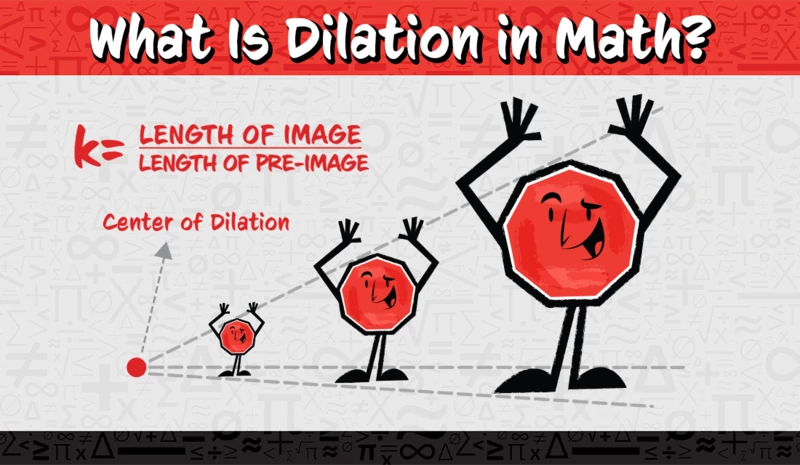
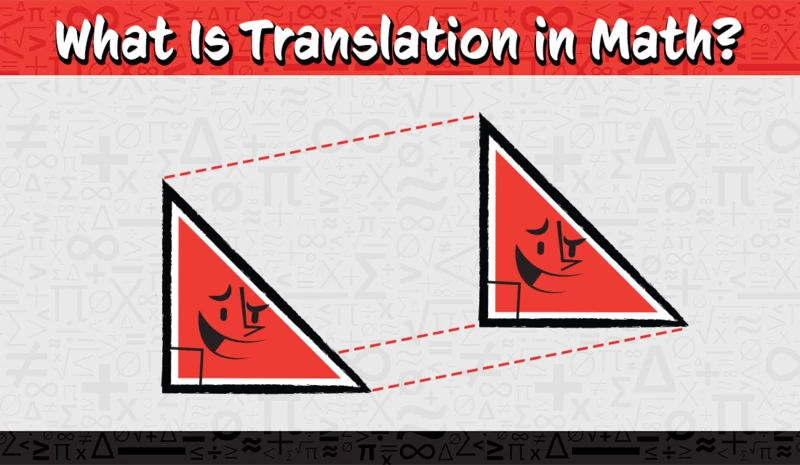
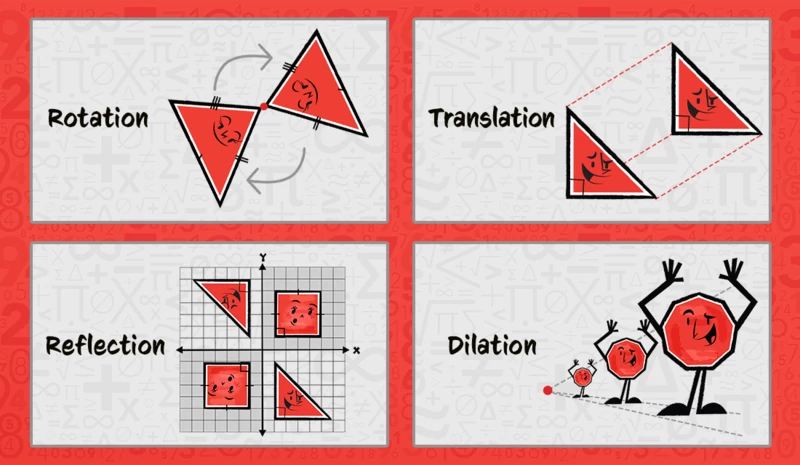
In math, congruence means that two shapes are exactly the same in size and shape. They may be flipped, turned, or moved, but if you could place one on top of the other and they match perfectly, they are congruent.
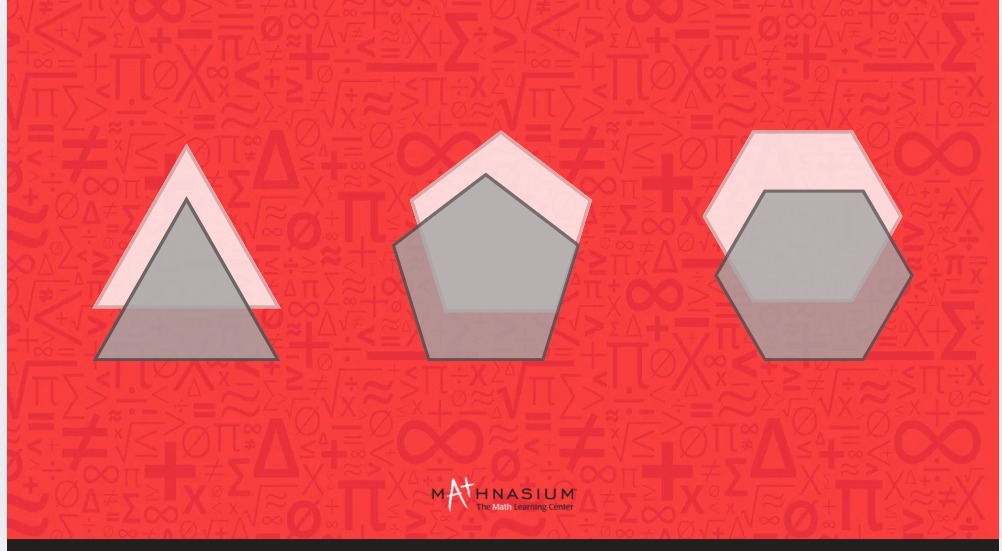
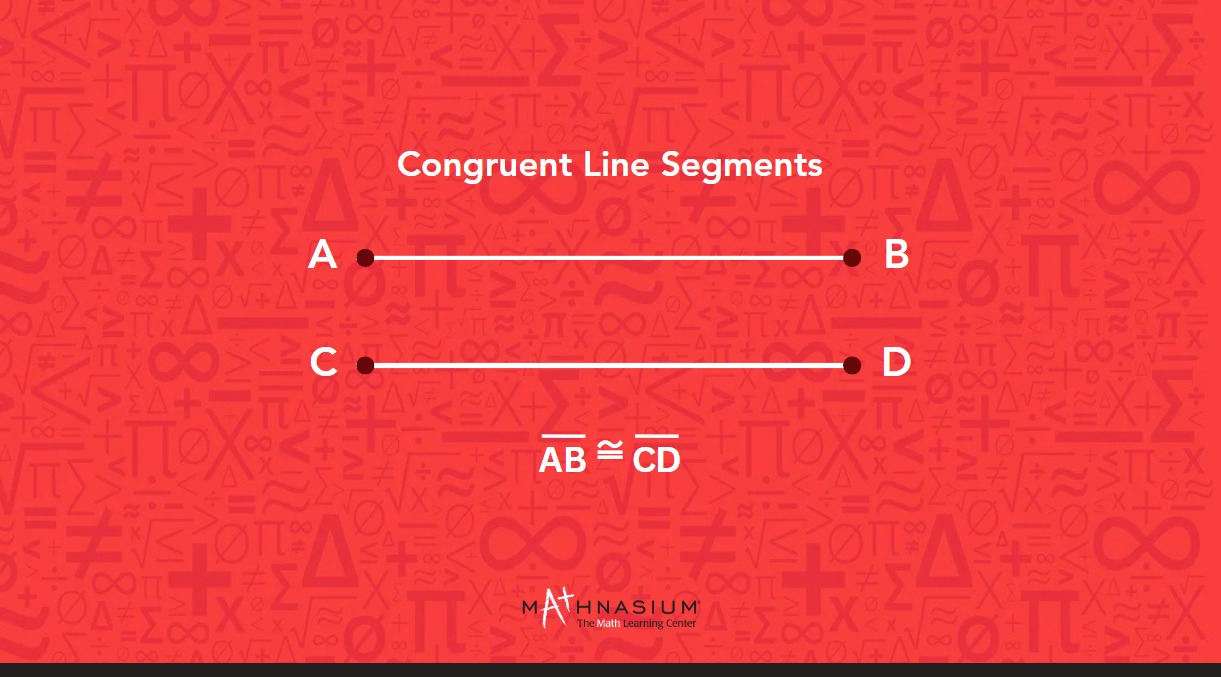
Congruence doesn’t just apply to shapes. Line segments are congruent if they have the same length, and angles are congruent if they have the same measure.
For example:
-
Two triangles with the same side lengths and angles are congruent.
-
A 3-inch segment and another 3-inch segment are congruent line segments.
-
A 90° angle and another 90° angle are congruent angles.
We use symbols to show congruence. If triangle A is congruent to triangle B, we write:
△A ≅ △B
Understanding congruence helps students explore:
-
Geometry and shape properties
-
Geometric proofs
-
Symmetry and transformations
-
Real-world tasks like design and measurement
When Do Students Learn About Congruence?
Students begin learning about congruence as they explore shape properties and transformations.
Grades 3–5 – Introduction to Congruence
Students identify congruent shapes and understand that congruent figures have the same size and shape.
Grades 6+ – Applying Congruence in Geometry
Students prove congruence using geometric rules and explore how congruent shapes behave under transformations like flips, rotations, and translations.