










The angular position of two points with respect to each other.
In math and geometry, direction describes the orientation from one point to another. It helps us understand where something is headed or how one point relates to another in terms of position.
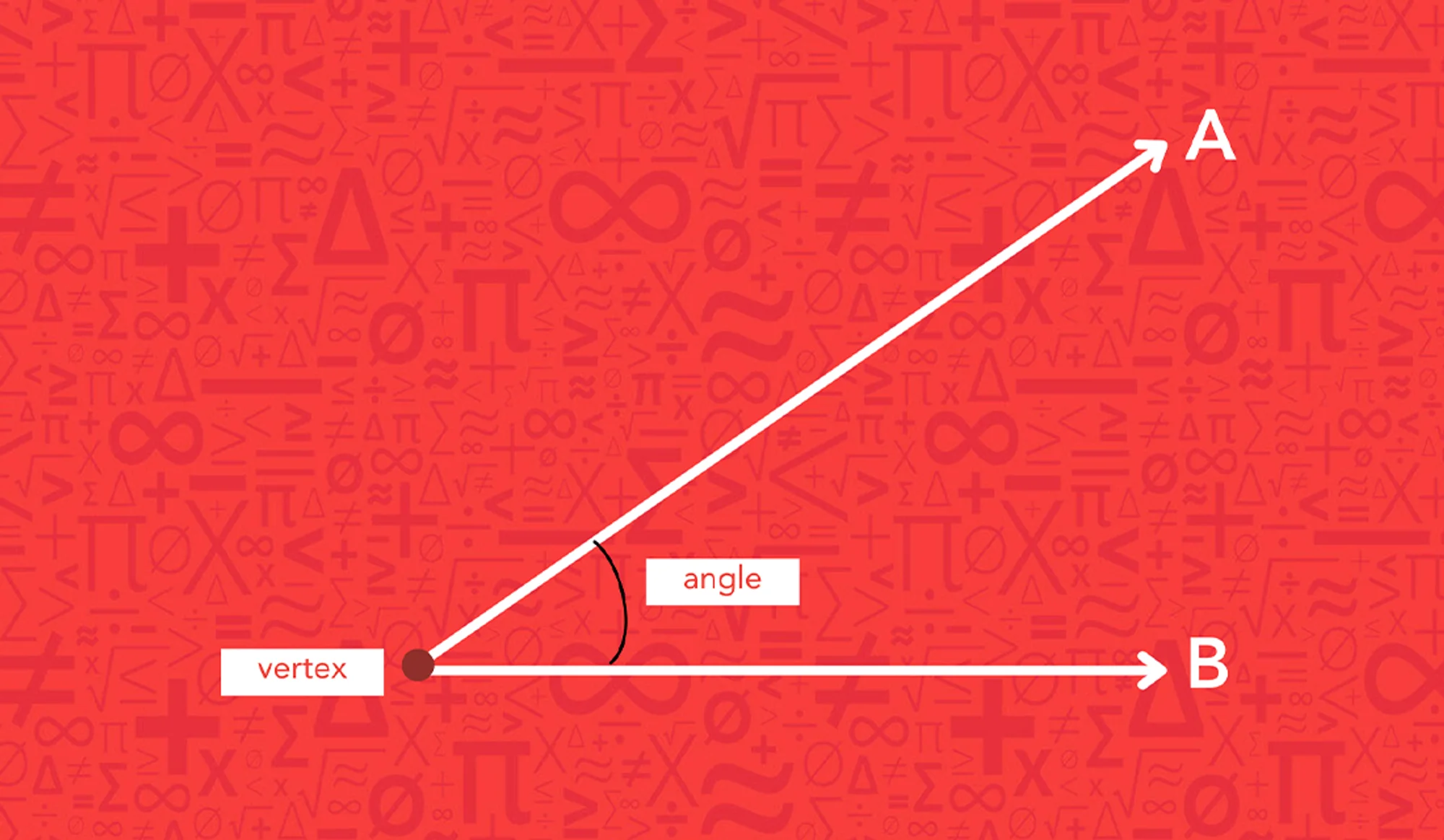
Direction can be described using compass points (like north or east), angles, or coordinate movement.
For example:
- If you walk from point A to point B in a straight line going northeast, that’s your direction.
- In geometry, a ray starts at a point and extends infinitely in a specific direction.
Understanding direction is important in:
- Geometry (working with angles and rays)
- Mapping and navigation (using coordinates or compass directions)
- Graphing motion in science
When Do Students Learn About Direction?
Students start learning about direction as they begin exploring spatial relationships and movement.
Grades K–2 – Early Understanding of Direction
Students use words like up, down, left, right, and follow directions to describe movement and position.
Grades 3–5 – Introducing Angles and Movement
Students begin measuring turns and angles, and using direction in coordinate grids and geometry.
Grades 6+ – Using Direction in Geometry and Coordinate Planes
Students use direction in coordinate planes and geometry, and later work with vectors, graphing equations, and more advanced problems.