






An angle whose measure is 90°. Right angles are formed by the perpendicular intersection of two straight lines.
A right angle is an angle that measures exactly 90 degrees. It looks like the corner of a square or rectangle. When two straight lines meet and form a square corner, they create a right angle.
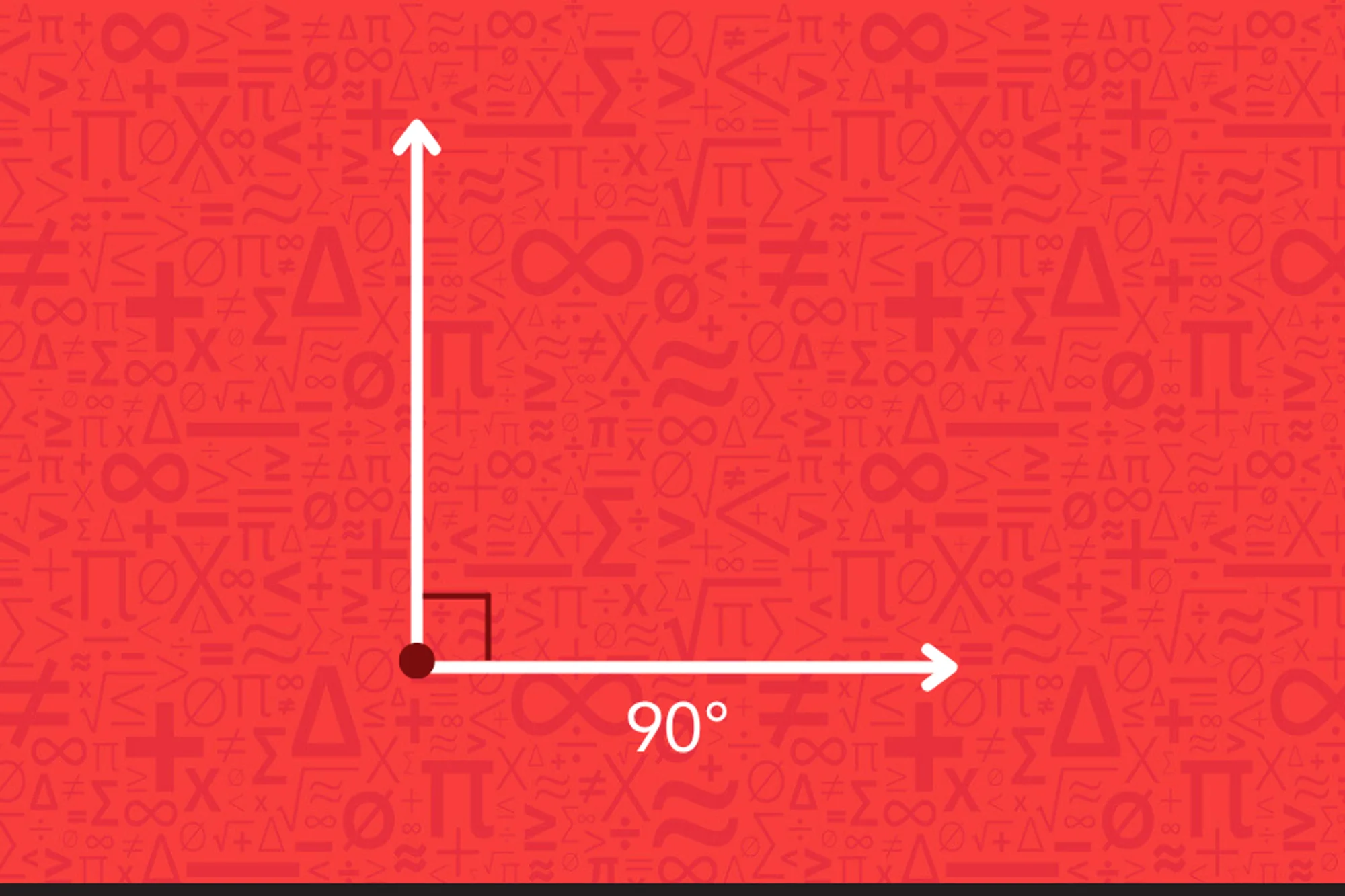
We often use a small square symbol (∟ or a square corner) to show that an angle is a right angle.
For example:
-
The corners of a sheet of paper are right angles.
-
A book’s spine meeting the front cover forms a right angle.
Right angles are important in geometry and everyday life. We see them in:
-
Buildings and furniture
-
Graphing and shapes
-
Tools like protractors and squares used in construction
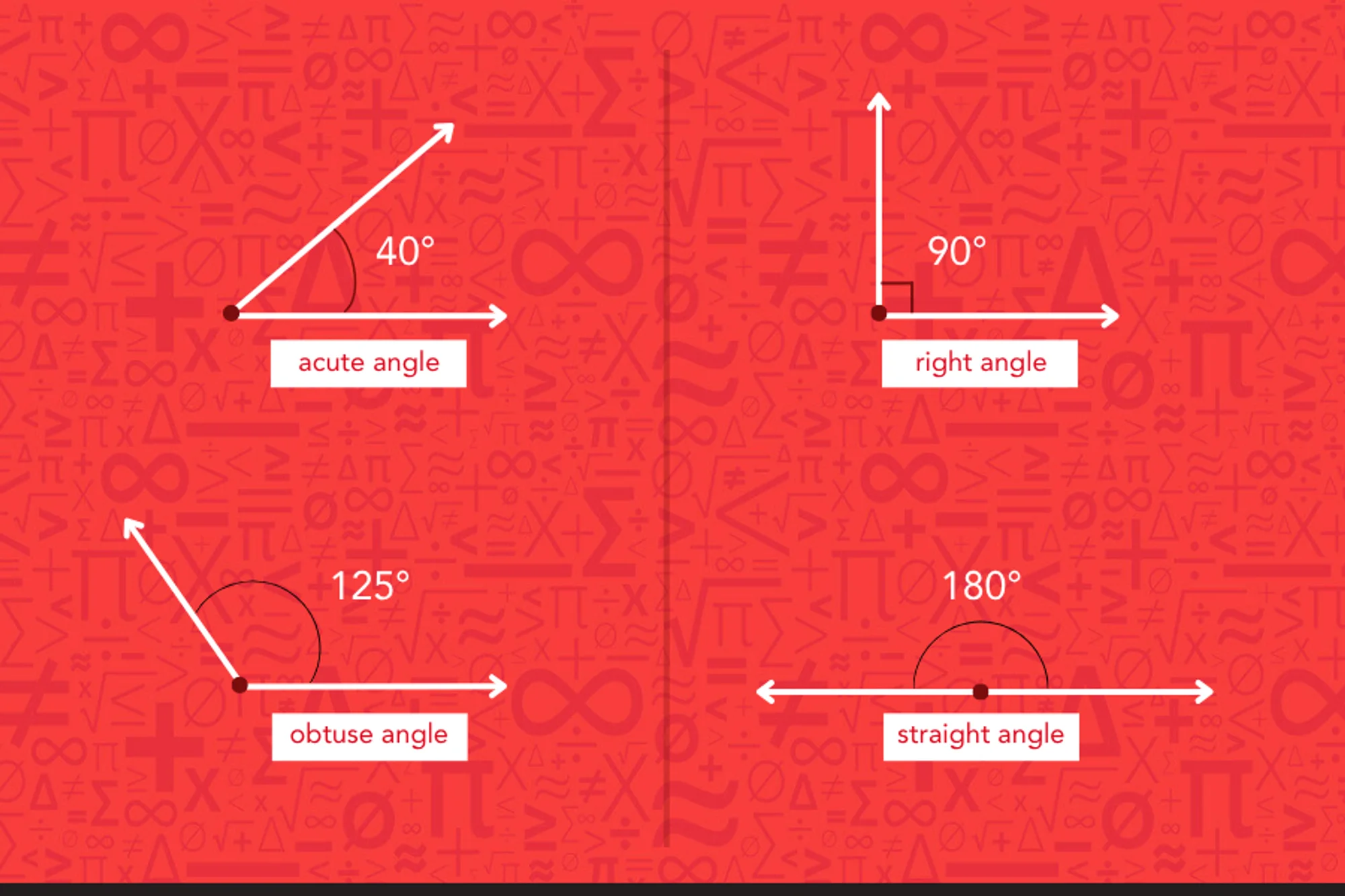
Other types of angles include acute (below 90 degrees), obtuse (between 91 and 179 degrees), and straight (180 degrees exactly).
When Do Students Learn About Right Angles?
Students are introduced to right angles when they begin learning about basic shapes and geometry.
Grades 1–2 – Identifying Right Angles
Students explore angles in shapes and begin to recognize right angles in squares, rectangles, and other figures.
Grades 3–5 – Classifying and Measuring Angles
Students classify angles (right, acute, obtuse) and begin measuring angles using protractors.
Grades 6+ – Using Right Angles in Geometry
Students use right angles in geometric proofs, coordinate planes, and to solve problems involving triangles and perpendicular lines.