






Same shape, different size
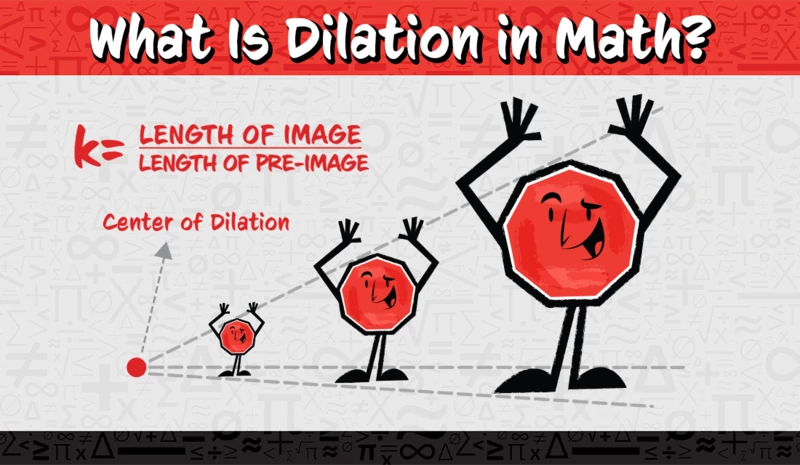
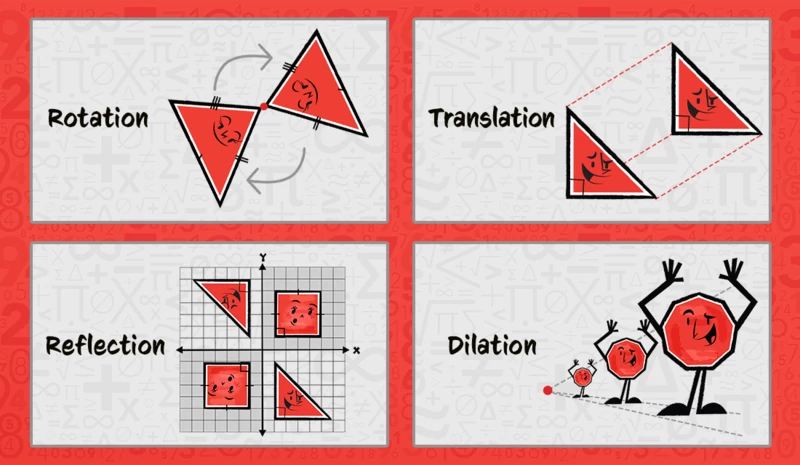
In math, “similar” means that two shapes have the same form or structure, but not necessarily the same size. This means their corresponding angles are equal, and the corresponding line segments are proportional. One shape is essentially a scaled version of the other.
For example:
- A small triangle and a larger triangle can be similar if they have the same angles and their sides are in the same ratio.
- Two rectangles are similar if the sides are in proportion and the angles are all right angles.
We often see similar figures in real life when resizing images or scaling models. Understanding similarity helps us work with maps, drawings, and geometric proofs.
When Do Students Learn About Similar Figures?
Students begin exploring the concept of similarity when they study shapes, transformations, and proportions.
Grades 4–5 – Introduction to Similar Shapes
Students begin noticing size and shape differences, learning to compare angles and sides.
Grades 6+ – Using Similarity in Geometry
Students study scale factors, ratios, and properties of similar triangles and other polygons.