











What is a Digit?
A digit is any one of the ten Hindu-Arabic symbols: 0, 1, 2, 3, 4, 5, 6, 7, 8, 9. In general, any numeric symbol less than the base of the number system.
A digit is a single number we use to build other numbers. In our number system, we have 10 digits: 0, 1, 2, 3, 4, 5, 6, 7, 8, and 9. These are like building blocks we use to make all the numbers we see and use every day.
For example:
- The number 245 is made up of the digits 2, 4, and 5.
- In 1,039, the digits are 1, 0, 3, and 9.
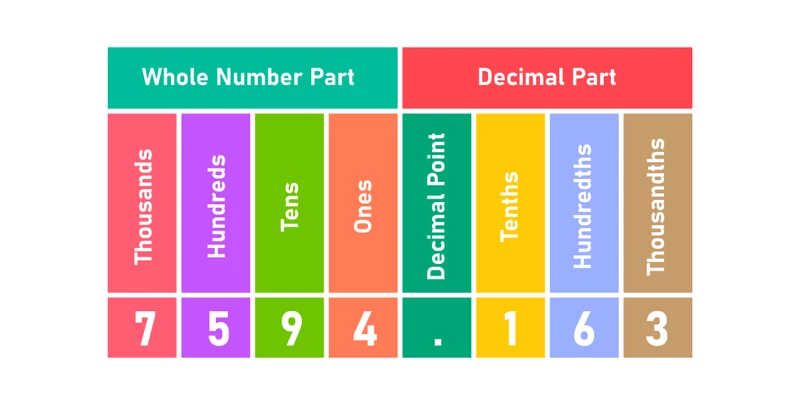
Each digit has a place value depending on where it appears in the number. For example, in the number 245:
- The 2 is in the hundreds place (meaning 200)
- The 4 is in the tens place (meaning 40)
- The 5 is in the ones place (meaning 5)
Understanding digits helps students learn how to read, write, and compare numbers, and lays the foundation for all kinds of math skills!
When Do Students Learn About Digits?
Students begin learning about digits at the very start of their math journey.
Grades K–2 – Learning Digits and Place Value
Students learn to identify and write digits, understand their values, and use them to form numbers.