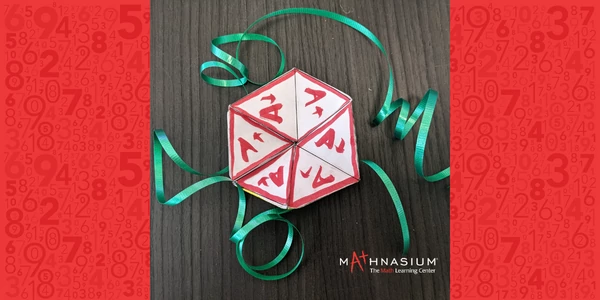












What is a Hexagon?
A six-sided plane figure
In geometry, a hexagon is a two-dimensional (2D), closed shape with six straight sides and six angles. The word “hexagon” comes from the Greek words hex meaning “six” and gonia meaning “angle.”
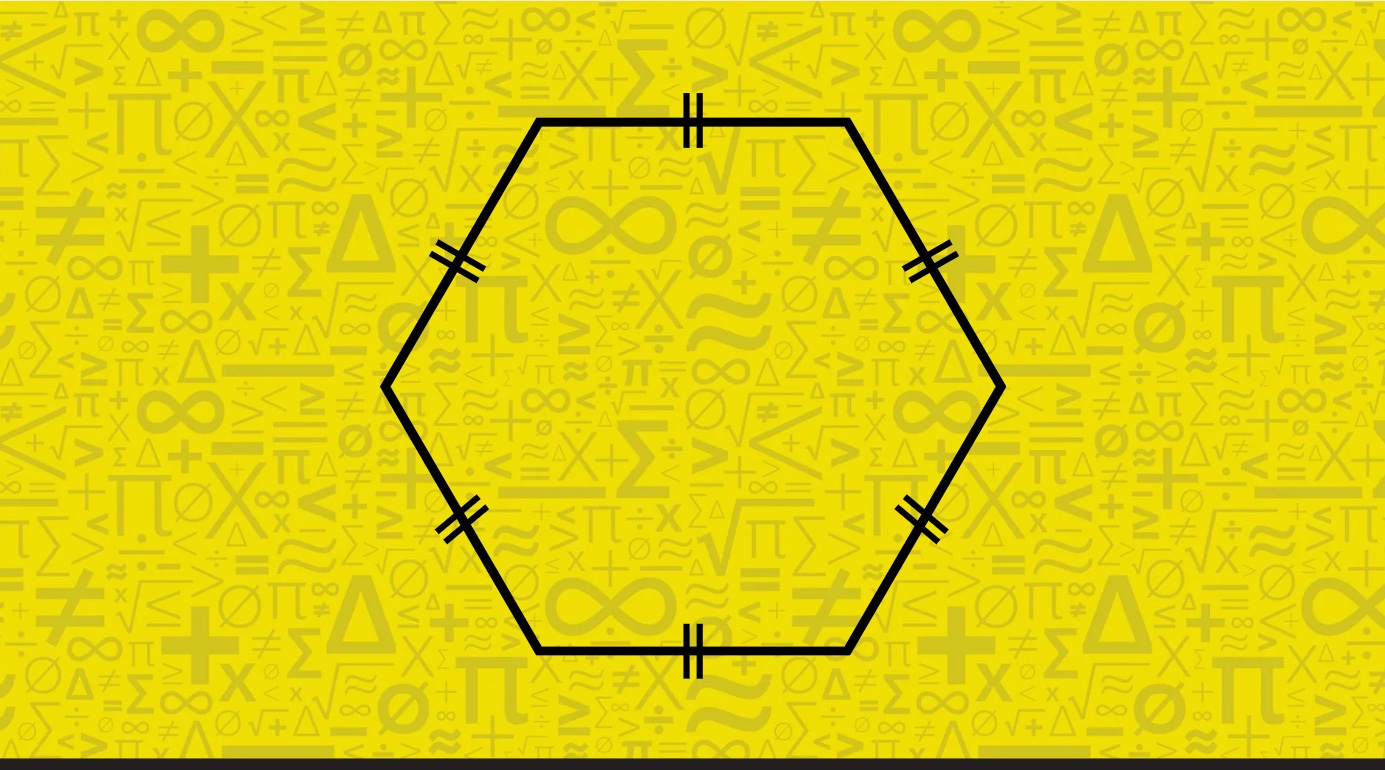
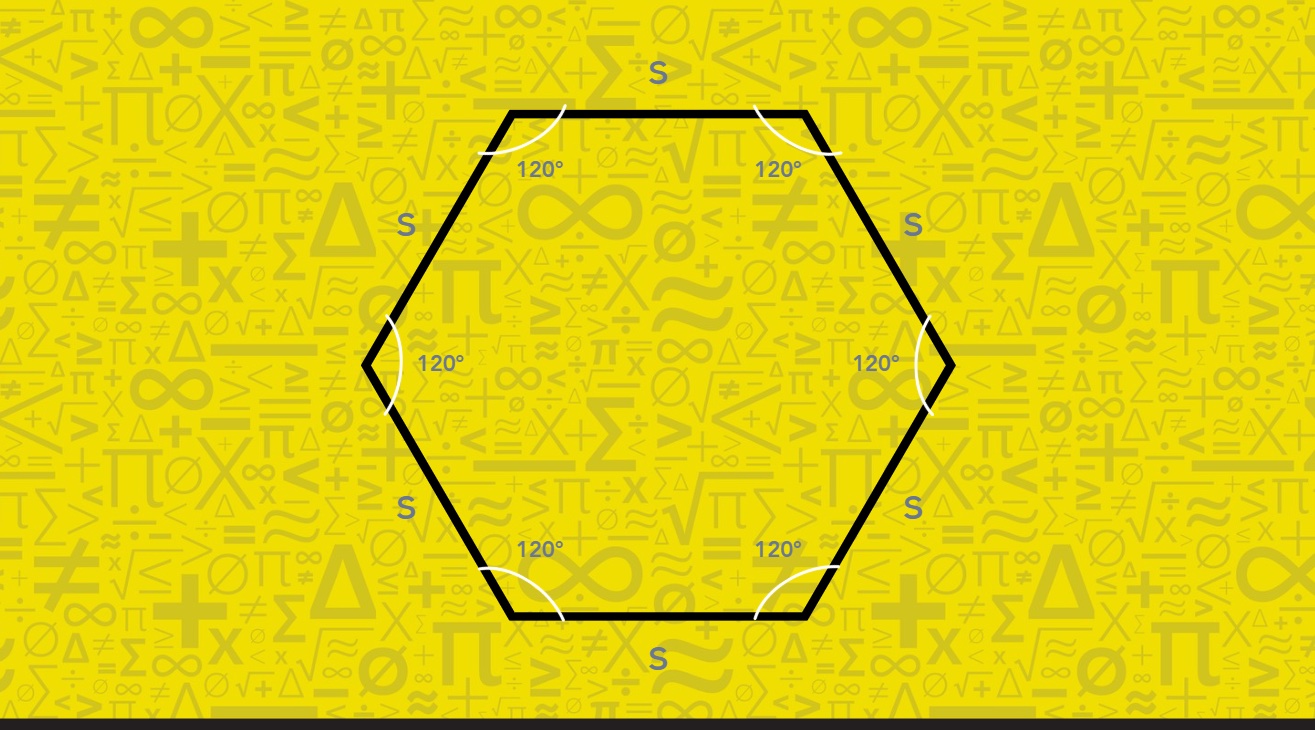
A regular hexagon has six sides that are all the same length and six equal angles measuring 120 degrees each.
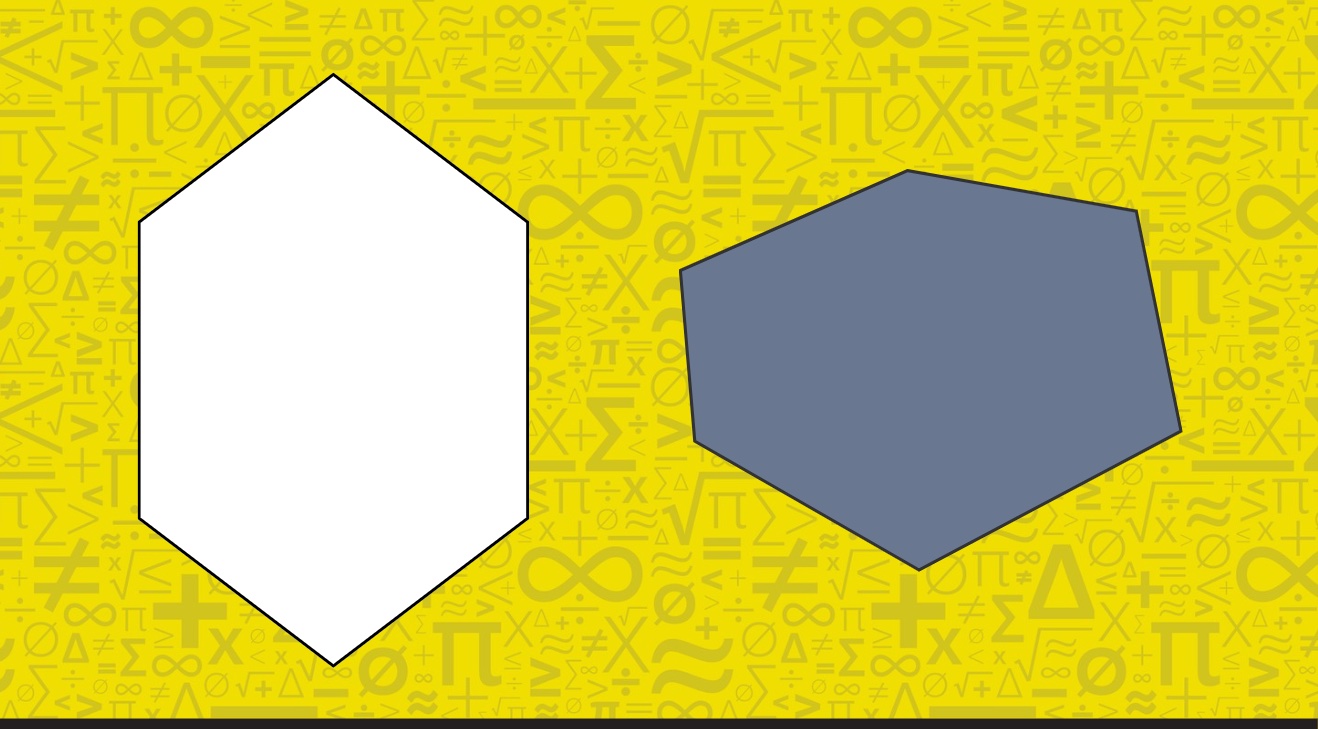
Irregular hexagons have sides and angles that are not all the same.
We see hexagons in real life all the time, and not just in art or architecture! Bees build their honeycombs using hexagons because this shape lets them store the most honey using the least amount of wax. This makes the hexagon one of the most efficient and fascinating shapes in nature!
Other examples of hexagons include:
- Soccer ball patterns
- Floor tiles
- Snowflakes
When Do Students Learn About Hexagons?
Students begin learning about hexagons as part of their introduction to geometry and classifying 2-D shapes.
Grades 1–2 – Recognizing Hexagons
Though they may not be able to name them at this point, students begin to identify hexagons by counting sides and comparing them to other shapes.
Grades 3–5 – Exploring Properties of Hexagons
Students compare regular and irregular hexagons, classify polygons by the number of sides, and calculate perimeter or area.