











A quadrilateral with four equal sides
A rhombus is a four-sided, two-dimensional shape (a quadrilateral) where all four sides are the same length. It looks like a tilted square or a diamond shape. It still has equal sides, but the angles aren’t all right angles.
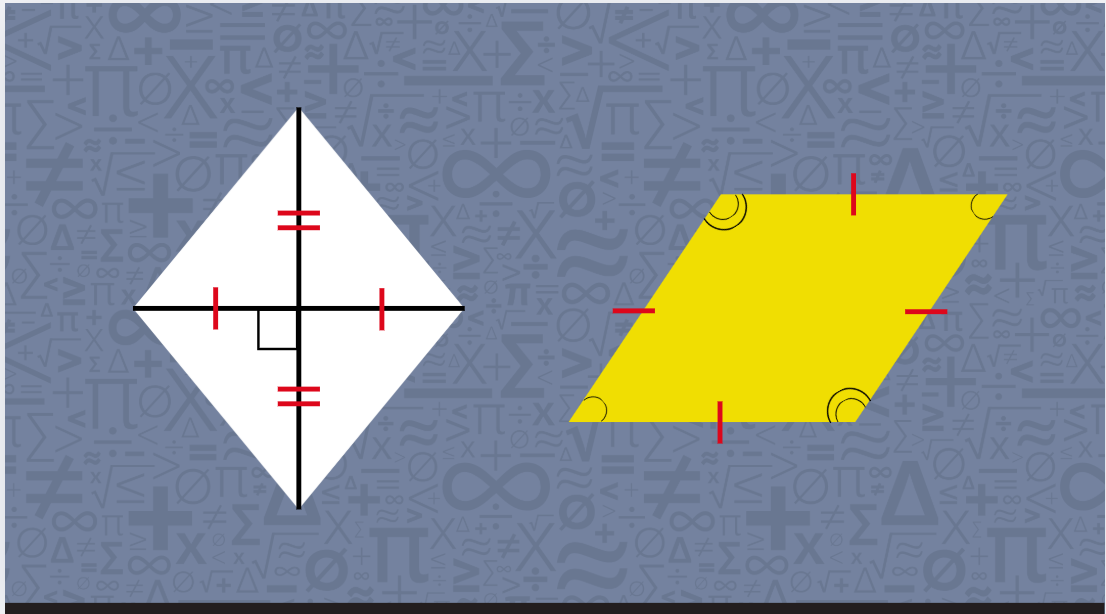
How do we know it’s a rhombus?
-
All sides are equal in length.
-
Opposite sides are parallel.
-
Opposite angles are equal.
-
Diagonals cross at right angles (perpendicular).
-
Diagonals bisect each other and split the rhombus into two congruent triangles.
Sounds like a square? Correct!
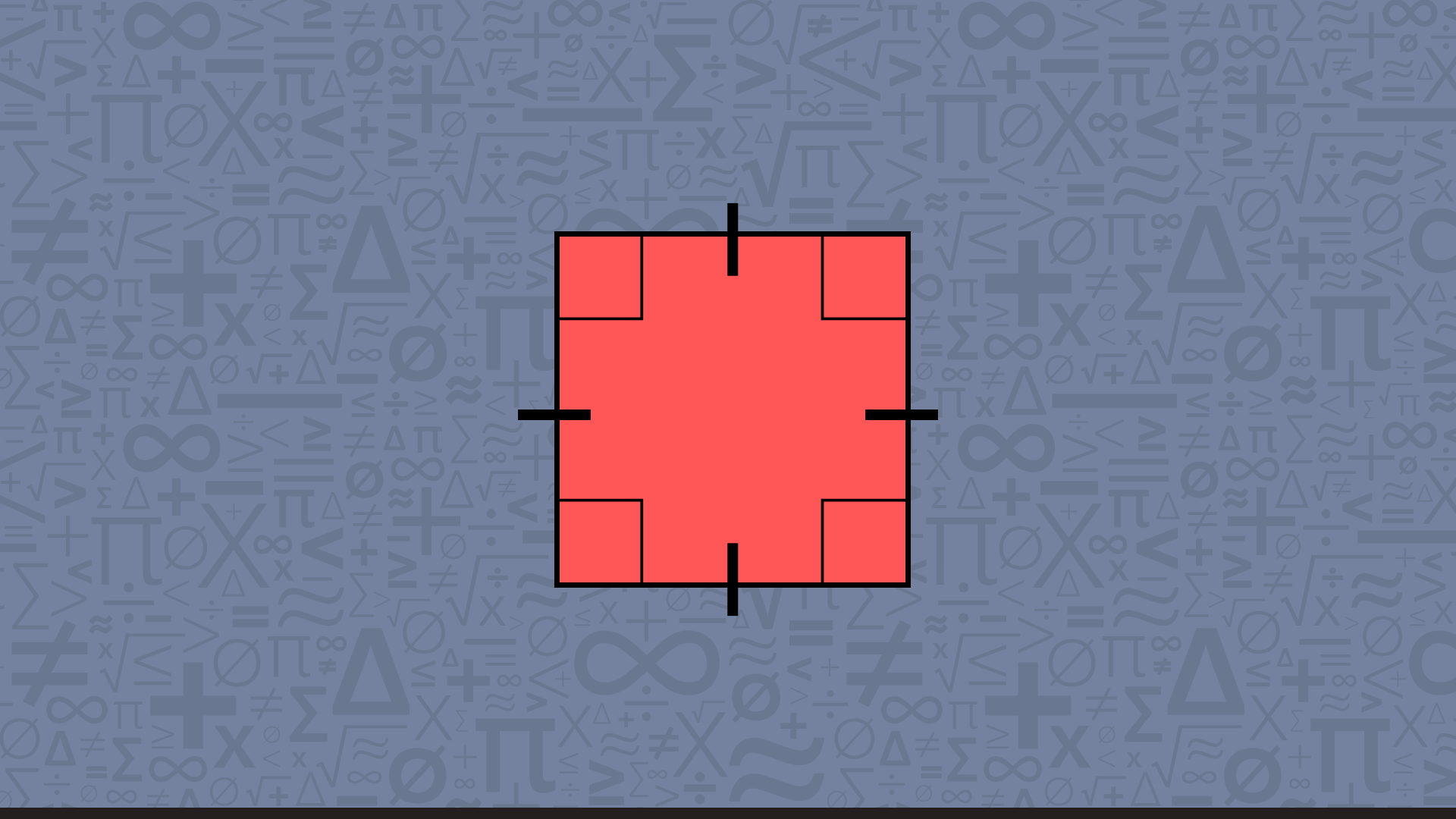
Every square is a rhombus (because all sides are equal), but not every rhombus is a square since its angles aren't always 90 degrees.
Rhombuses show up in geometry problems, tiling patterns, road signs, and even kites. Learning about rhombuses helps us understand symmetry, angles, transformations, and how different quadrilaterals relate to each other.
When Do Students Learn About Rhombuses?
Students begin learning about rhombuses as they study basic geometric shapes and progress into classifying quadrilaterals by their attributes.
Grades 2–3 – Recognizing and Naming Rhombuses
Students begin to identify rhombuses by their equal sides and compare them to other quadrilaterals.
Grades 4–5 – Exploring Rhombus Properties
Students explore the relationships between rhombuses and other quadrilaterals (like parallelograms and squares), studying their sides, angles, and lines of symmetry.
Grades 6+ – Rhombuses in Geometry and Proofs
Students classify rhombuses using coordinate geometry, angle properties, and congruence theorems. They also use rhombuses in geometry proofs and more advanced math reasoning.