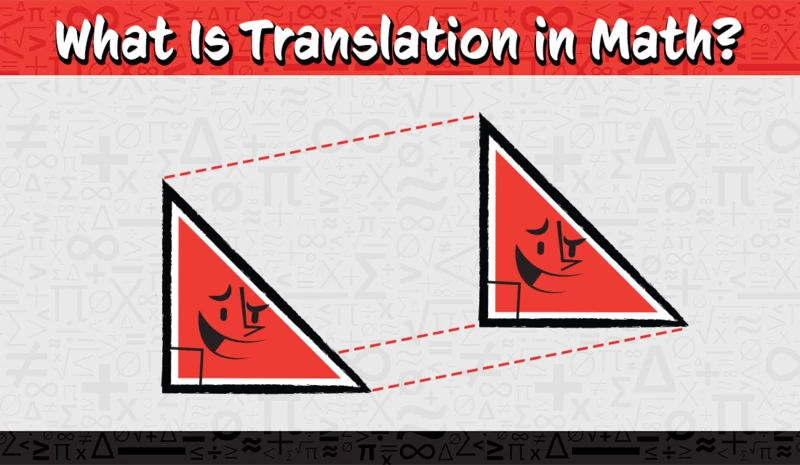












In geometry, a transformation where a figure moves in a given direction.
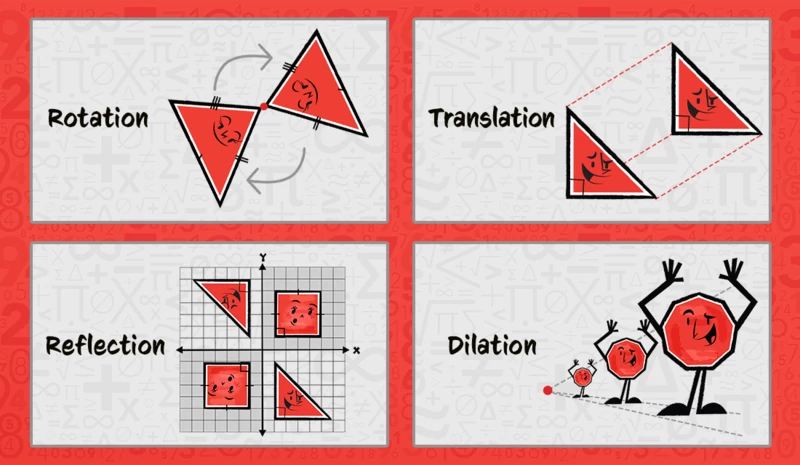
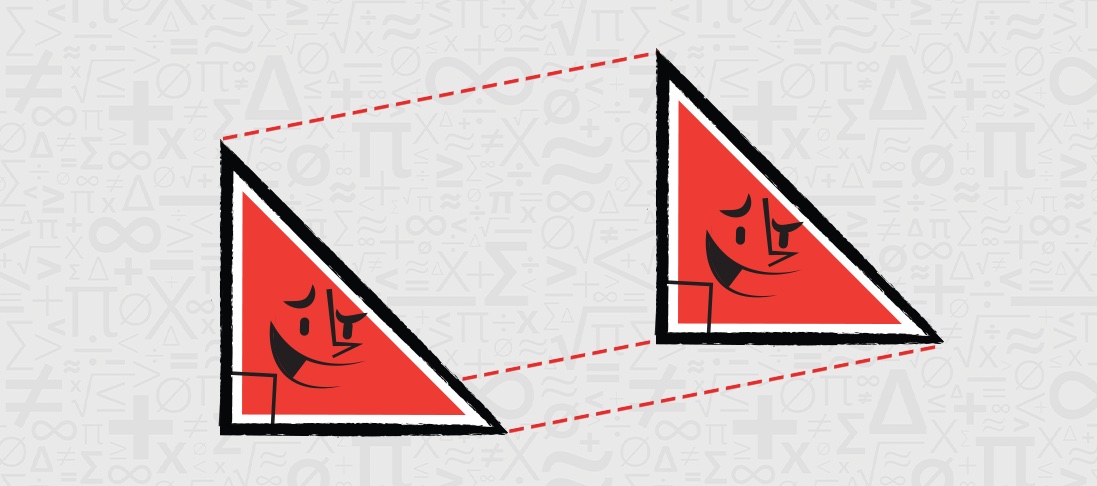
A slide is one of the ways we can move shapes around without changing how they look. In math, we call this geometric transformation a translation. When we slide a shape, we move it in a straight line to a new position, without turning, flipping, or resizing it.
Let’s imagine a coordinate plane: If we slide a triangle 4 units to the left and 1 units down, the triangle still looks exactly the same—it just lives in a new place on the grid.
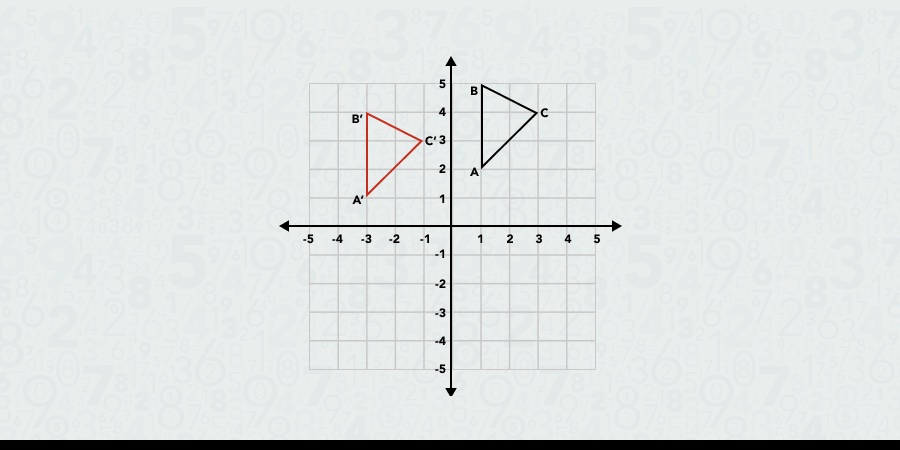
Slides help us understand movement, symmetry, and how shapes relate to each other on the coordinate plane.
When Do Students Learn About Slides?
Students explore slides as part of learning geometric transformations and symmetry.
Grades 3–5 – Introduction to Slides
Students begin exploring how shapes move with simple transformations like slides, flips, and turns.
Grades 6+ – Working with Translations on the Coordinate Plane
Students use coordinates to describe slides and understand how translations work in algebra and geometry.