











What Is the Origin in Math?
The point on a number line with the coordinate (0). The point in a coordinate plane with coordinates (0, 0). The point in a coordinate space with coordinates (0, 0, 0).
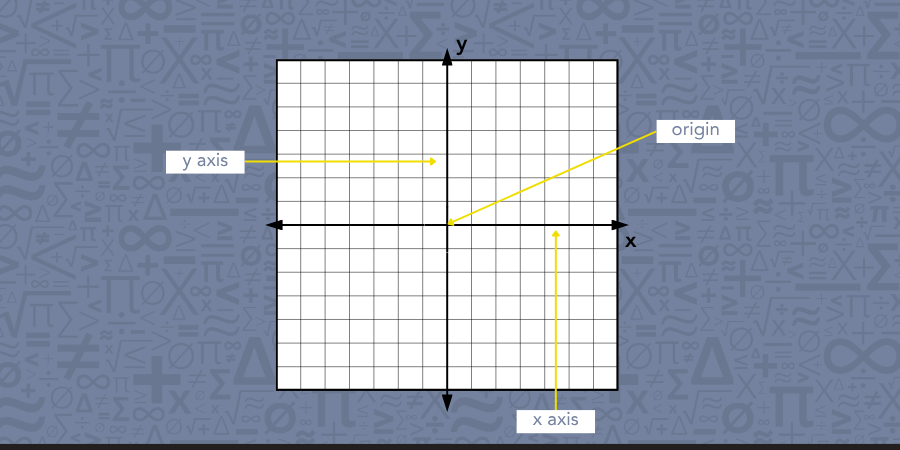
In math, the origin is the starting point used for reference on graphs and number lines.
-
On a number line, the origin is at 0.
-
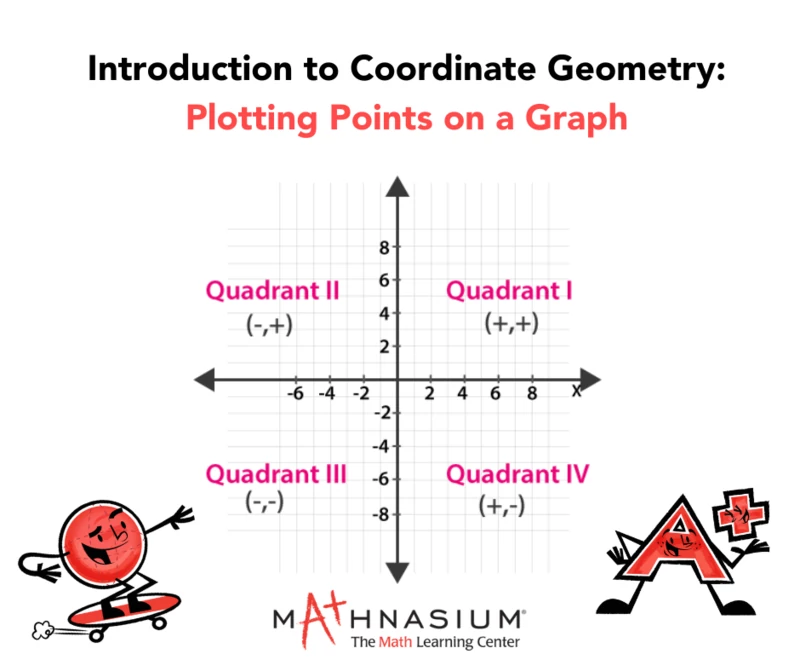
On a coordinate plane (2-D), the origin is the point (0, 0), where the horizontal (x-axis) and vertical (y-axis) lines cross.
-
In 3-D space, the origin is (0, 0, 0), where all three axes (x, y, and z) meet.
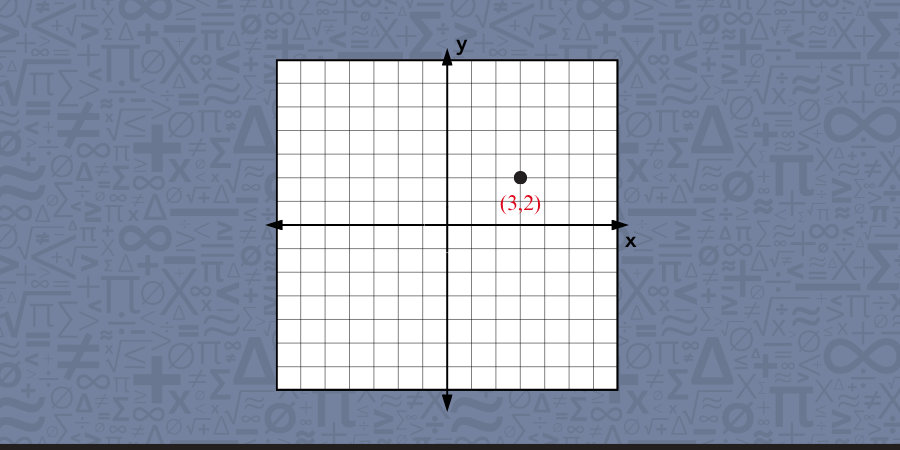
The origin is like “home base” in math. It’s the point from which we measure and plot all other points. For example, if we move 3 units right and 2 units up from the origin on a graph, we land at the point (3, 2).
When Do Students Learn About the Origin?
Students begin to understand the concept of the origin as they explore number lines, coordinate planes, and graphing in geometry and algebra
Grades 1–2 – Understanding Zero and Number Lines
Students first encounter the concept of an origin when they learn about 0 on number lines.
Grades 4–5 – Plotting Points on a Coordinate Plane
In grade 4, students begin to plot negative numbers and fractions on a number line. In grade 5, they begin plotting points on a coordinate plane.
Grades 6+ – Using the Origin in Geometry and Algebra
Students work with the origin to plot points, graph equations, and analyze relationships in both 2-D and 3-D space.